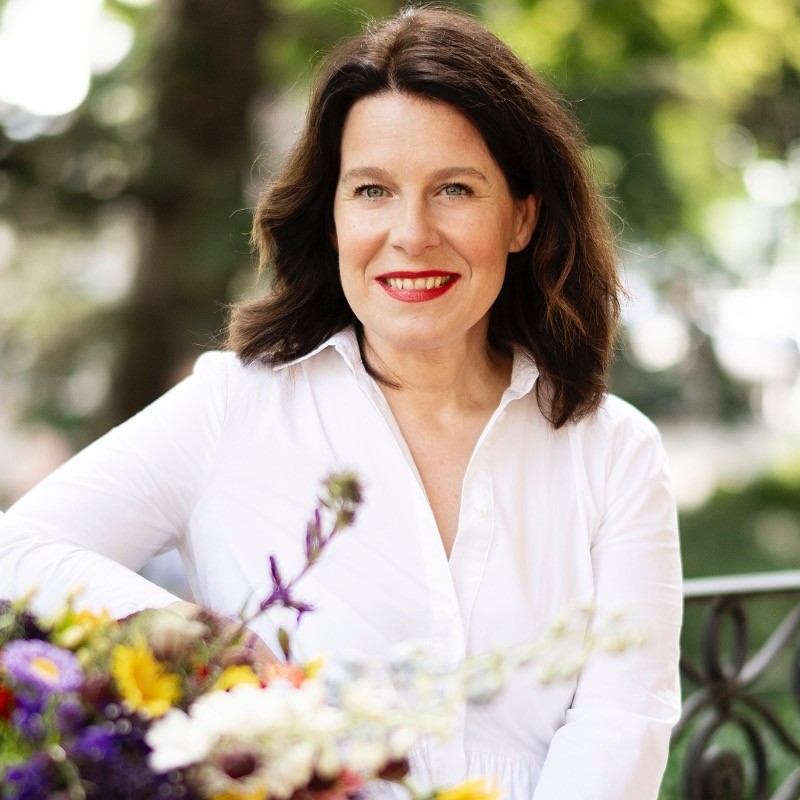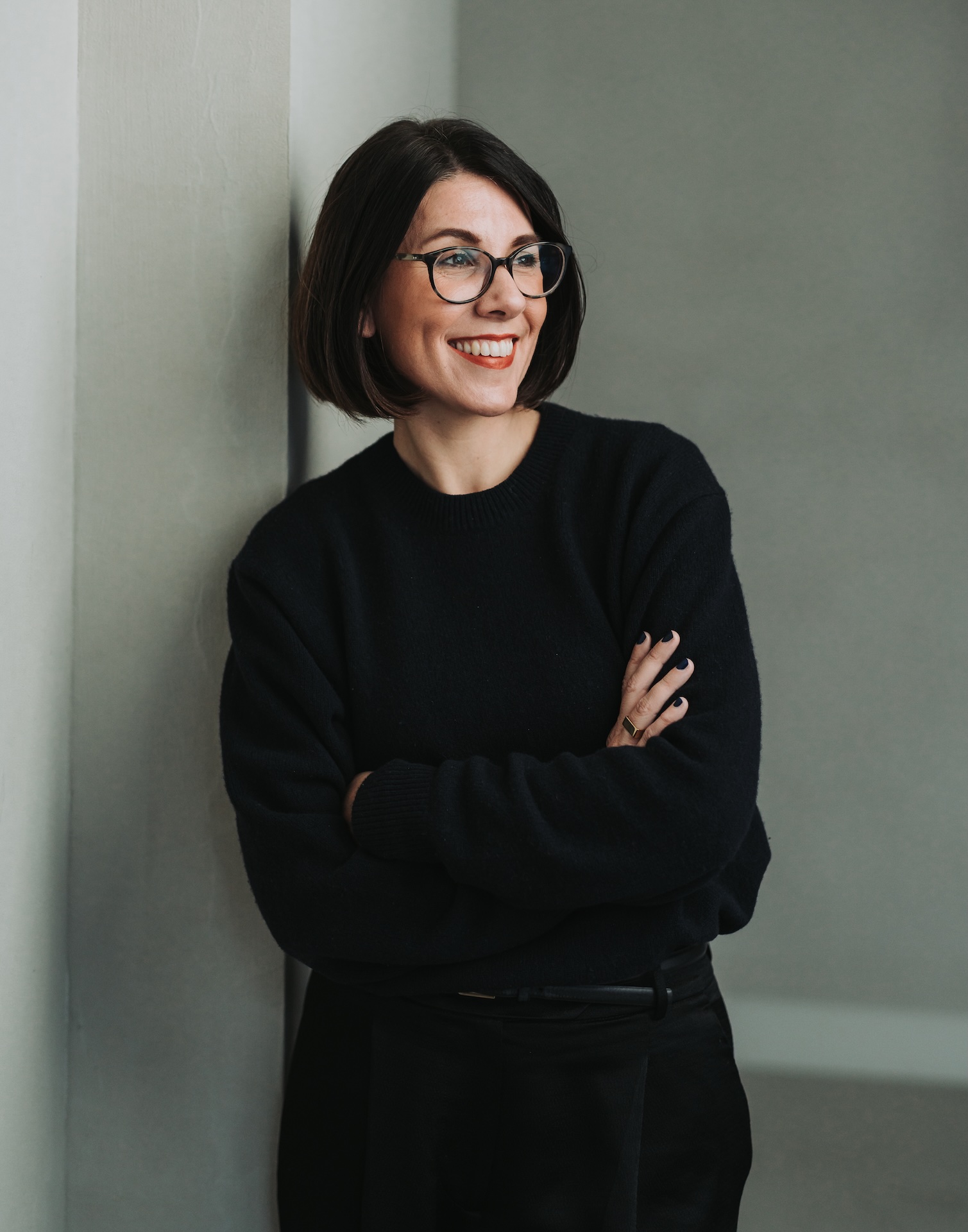
Small introduction/presentation, job or activity, place of birth or country of origin, training or career, place of living
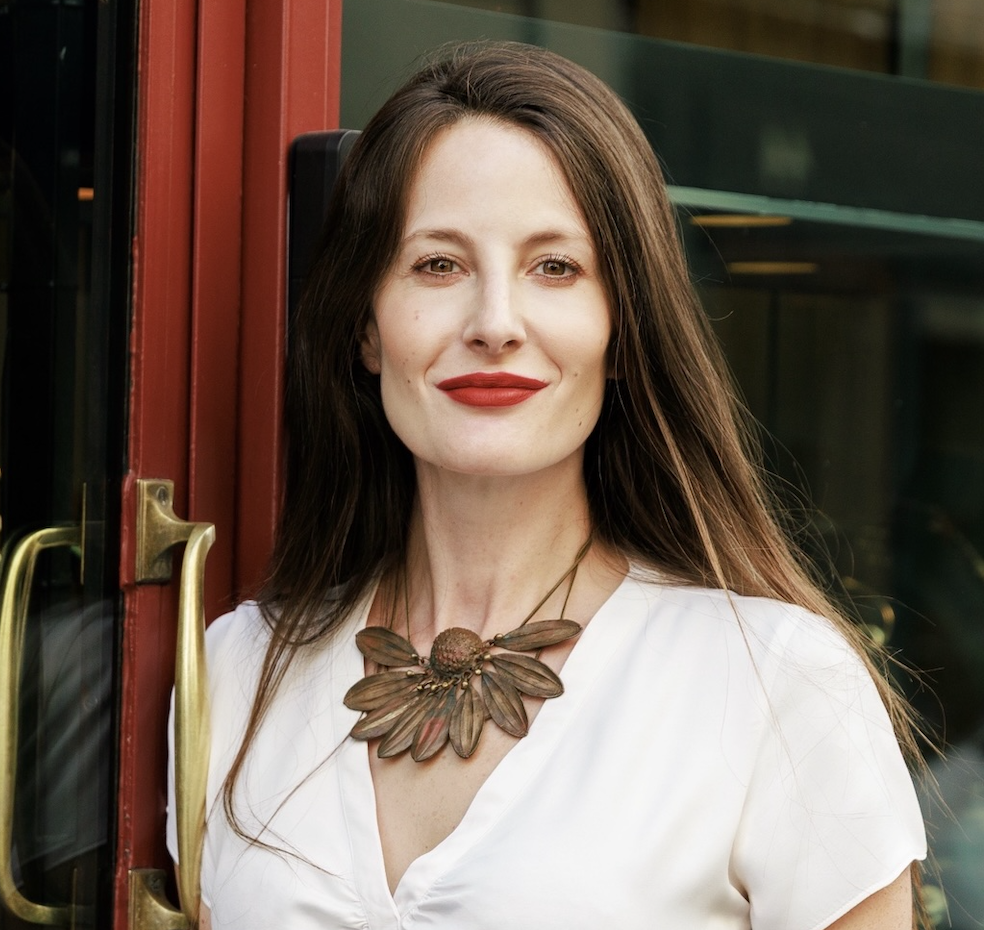
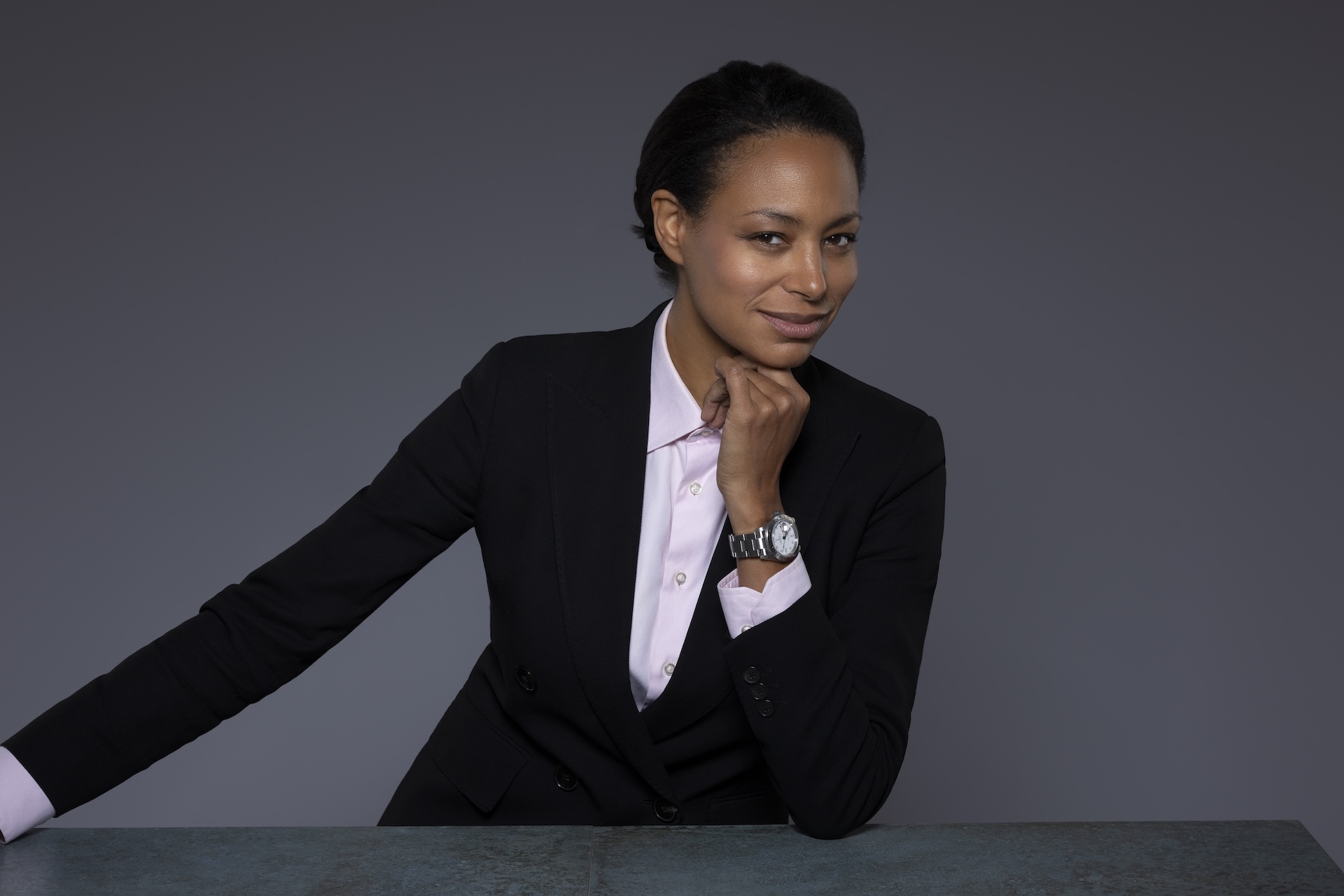
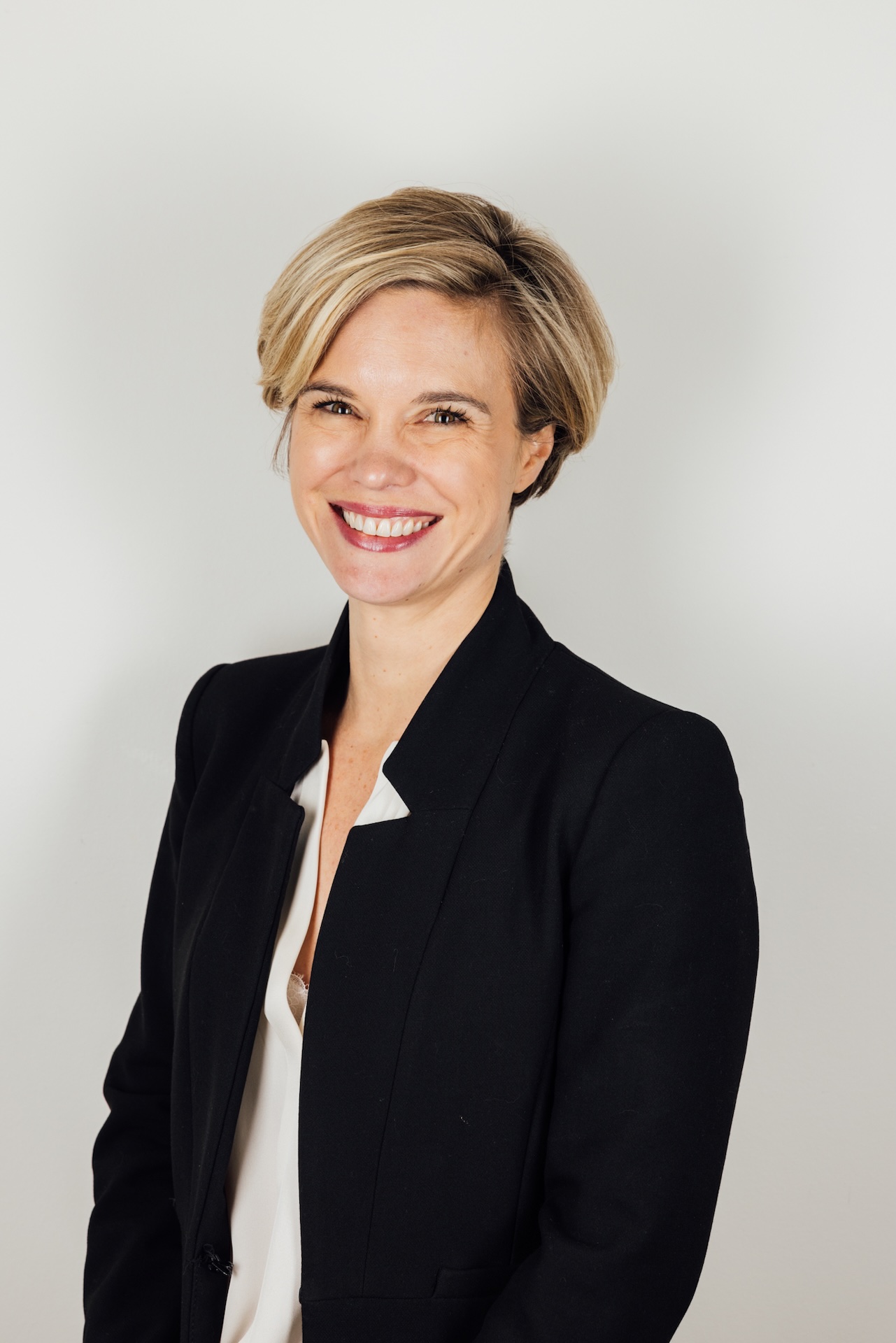
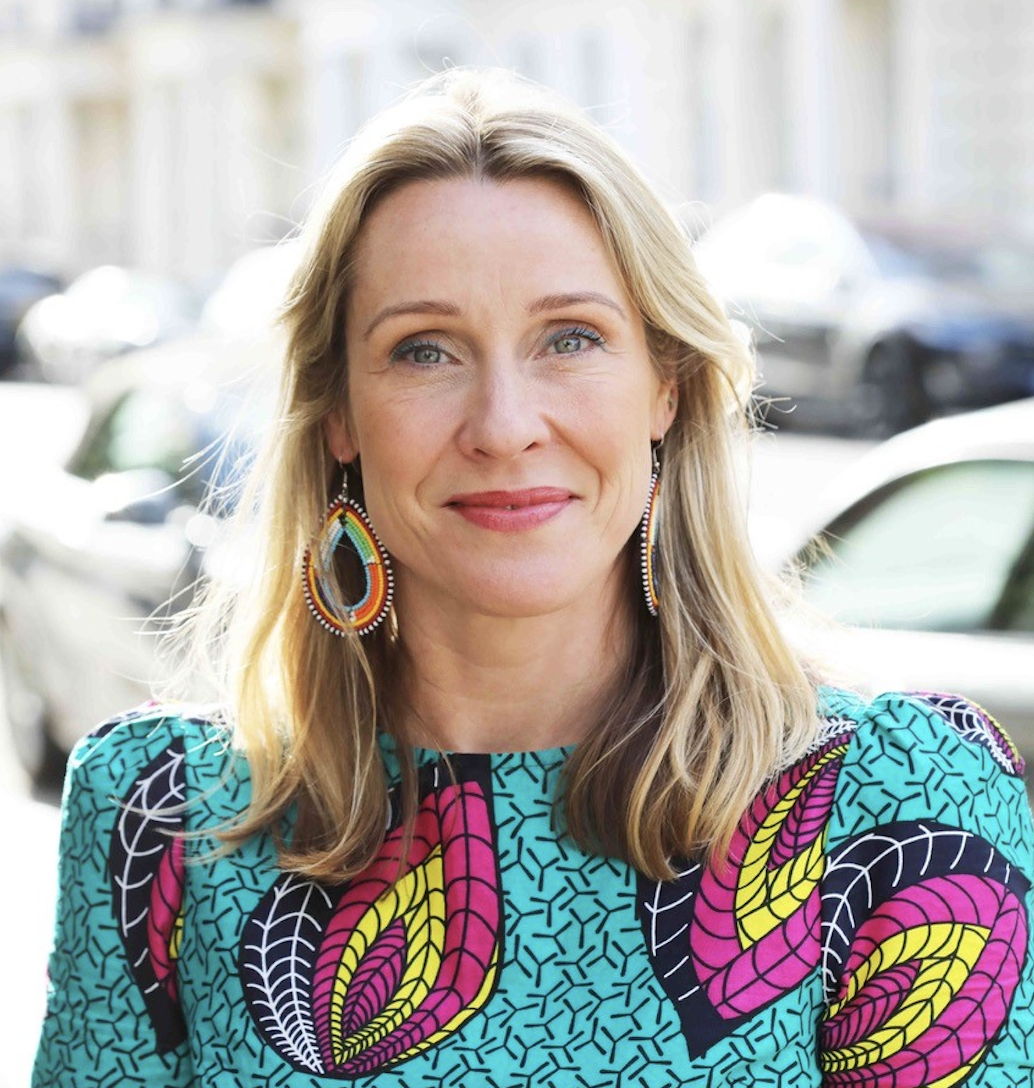
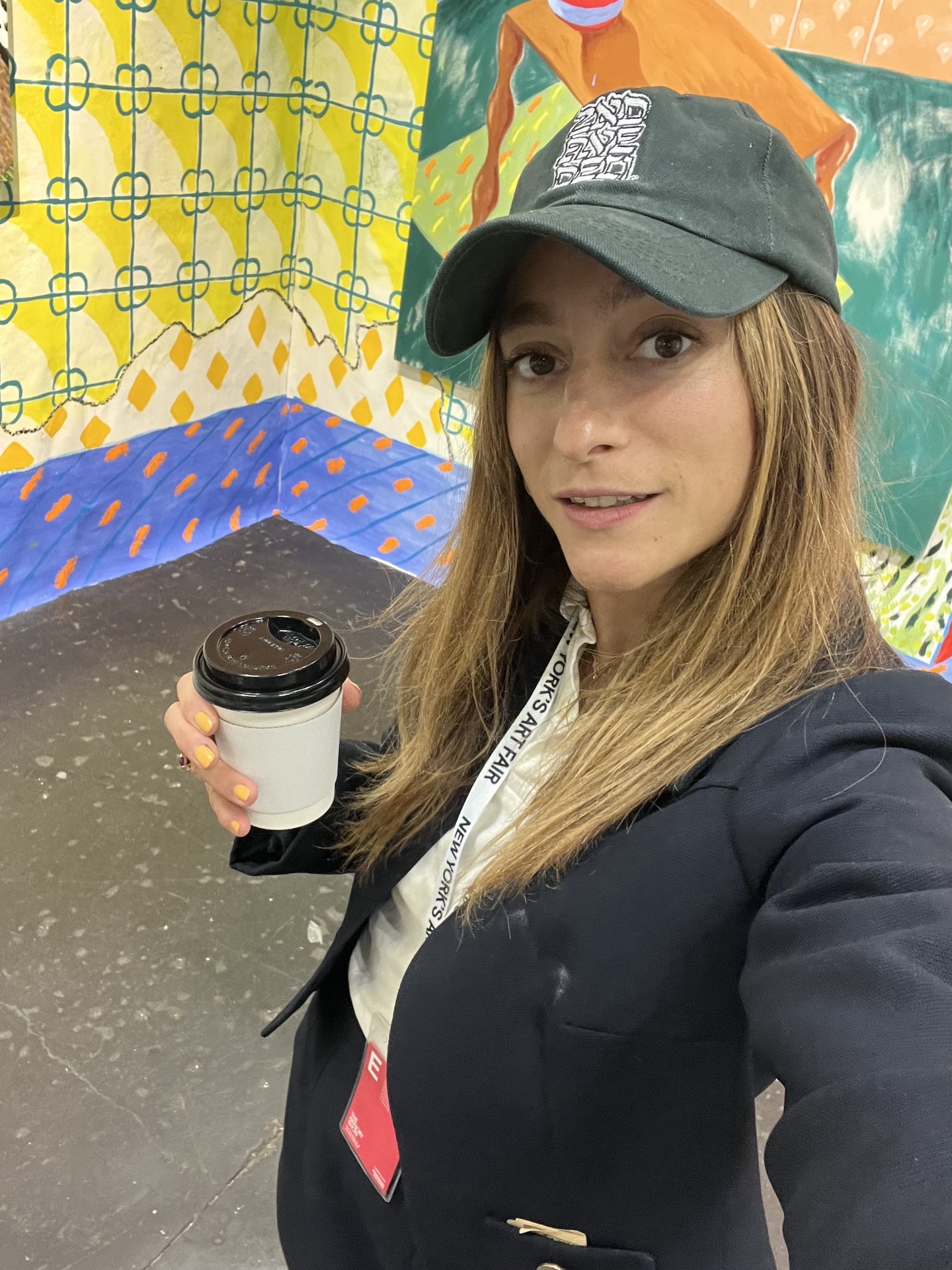
I’m Pauline, the founder of Petite Passport, a platform for people who love design and travel. I was born in Rotterdam and studied journalism, spent some time living inBarcelona, and am now back in Rotterdam, which is where I travel the world from.
Tell us about your place of residence, city or region, activity and if or what you like about your hometown?
I was born and raised in Rotterdam, a port city in the Netherlands. I’ve seen it evolve from a rough, slightly gritty place into a city where leading architects like Winy Maas of MVRDV and Rem Koolhaas of OMA have the freedom to create playful architecture, where entrepreneurs come up with inspiring initiatives, and where designers like Sabine Marcelis, Lex Pott and Rotganzen craft the most beautiful pieces in their studios that eventually make their way around the world. I feel most at home in a city by the water - inspiration always seems to find me when I can look out over a wide horizon.
Your must-see addresses near you? (restaurant, market, gallery, museum, not-to-be missed, intimate or secret address, etc.)
When I have something to celebrate, I love going to Rotonde, an open-fire restaurant where vegetable stake the leading role. I’m also deeply impressed by FENIX, a new museum dedicated to migration that tells the stories of the many people who arrived in Rotterdam from afar. What does it mean to put down roots in a new city, a new country? What do you carry with you, and how do you hold on to your identity in a city with more than 170 nationalities? And Morgan & Mees Rotterdam is a wonderful place to stay, with a cocktail bar and restaurant on the ground floor.
Your favorite places onEarth?
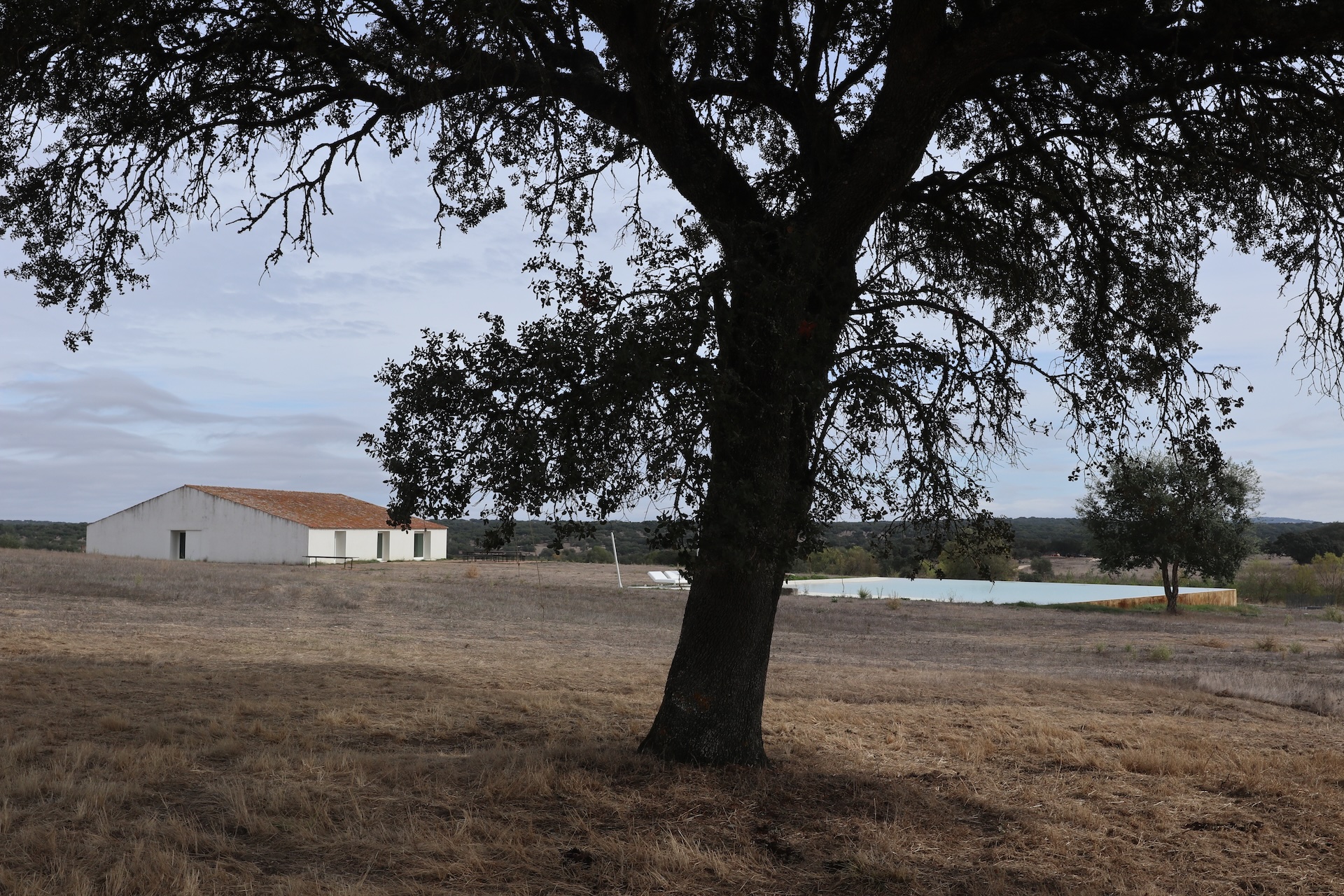
My favourite places on earth are the ones where you can truly be still. I once stayed at Casa NoTempo, in Portugal’s Alentejo region. You drive for about twenty minutes across the estate before reaching the house, surrounded only by the sounds of nature.
Places with expansive views always rank high for me: like Mandali Retreat Center in Italy, where the suites overlook the valley and the distant city. Give me a wide horizon and I’m happy.
Do you think it is important to travel and why?
Yes, I truly believe it’s important for people to travel. It doesn’t even have to be far, but step outside your bubble and see what other people and cultures are creating and doing. There’s nothing more inspiring than learning from one another and discovering new places. At home, our lives tend to be quite fragmented: we work in one place, live in another, and often return to the same spots to exercise or meet friends. When you travel, everything is new, and that openness invites all kinds of experiences. Conversations with people you didn’t know yesterday, tasting food you’ve never tried before, wandering through a neighbourhood for the first time. It enriches you: and in the end, it simply makes you a richer human being.
What do you think about the future of travel and what we (citizens) need to consider? What would you advise?
The future of travel is analogue, slower, strongly community-driven, and of course rooted in love forthe planet. I believe conscious travellers will gradually start avoiding the mega-crowded destinations and instead seek out places that are less overrun by tourism. Visit a so-called ‘B-city’ instead: like Rotterdam. These cities are often more affordable, more creative, and full of surprises. Leave your smartphone behind for a moment and try navigating a city with an old-school paper map. Bring ananalogue camera, or sign up for a workshop - pottery, for example, at Helga Ceramics in Berlin - to slow down, dive a little deeper into a place, andconnect with new people along the way.
As a woman, how do you judge the future of our land or our societies?
In the highly masculine world we’re living in right now - one that sometimes feels close to exploding from all that testosterone - it can almost seem as if the feminine has become invisible. And yet feminine values, care, social connection, softness,creativity, are actually everywhere, quietly unfolding like a kind of soft revolution. You see it in female designers creating spaces where people can recharge, in the enormous rise of wellbeing, and in all kinds of offline initiatives such as book clubs and community gatherings. It speaks in a quiet voice, but in these challenging times it may turn out to be exactly what weneed most.
How do you think youcan contribute to it? Women who stand out to you?
Women have long been conditioned to operate within a masculine framework, while it actually takes courage to ask how things might work from a more feminine perspective. I already see this happening in many of the places I write about. Take, for example, the mindful design of a coffee bar in Amsterdam where colours,textures and furniture are chosen so carefully that they help calm the nervous system of the people who walk in.
Travelling in a more feminine way - taking time for a place instead of trying to tick off a thousand things - also feels much more aligned with the future of travel. Slower, more attentive, and more connected to how a place actually makes you feel.
What would be your travel dream?
My love for travel began with a year of travelling after finishing high school. That sense of freedom - waking up and deciding whether you’ll go north or south that day - is something I would love to experience again someday. Travelling without a plan,simply seeing where you end up.









%20SOPHIE%20KIRCHNER%202.jpeg)


%20Ellie%20with%20Bronze%20gymnast%20by%20Michel%20Roue%CC%80che%20(Black%20background)%20copy.jpg)


.jpg)




.jpg)