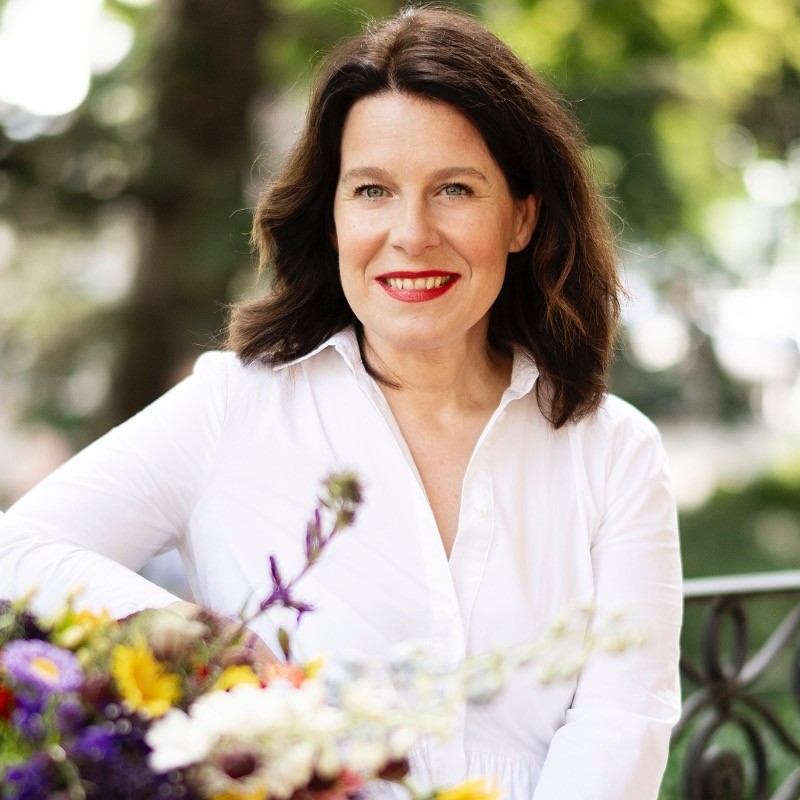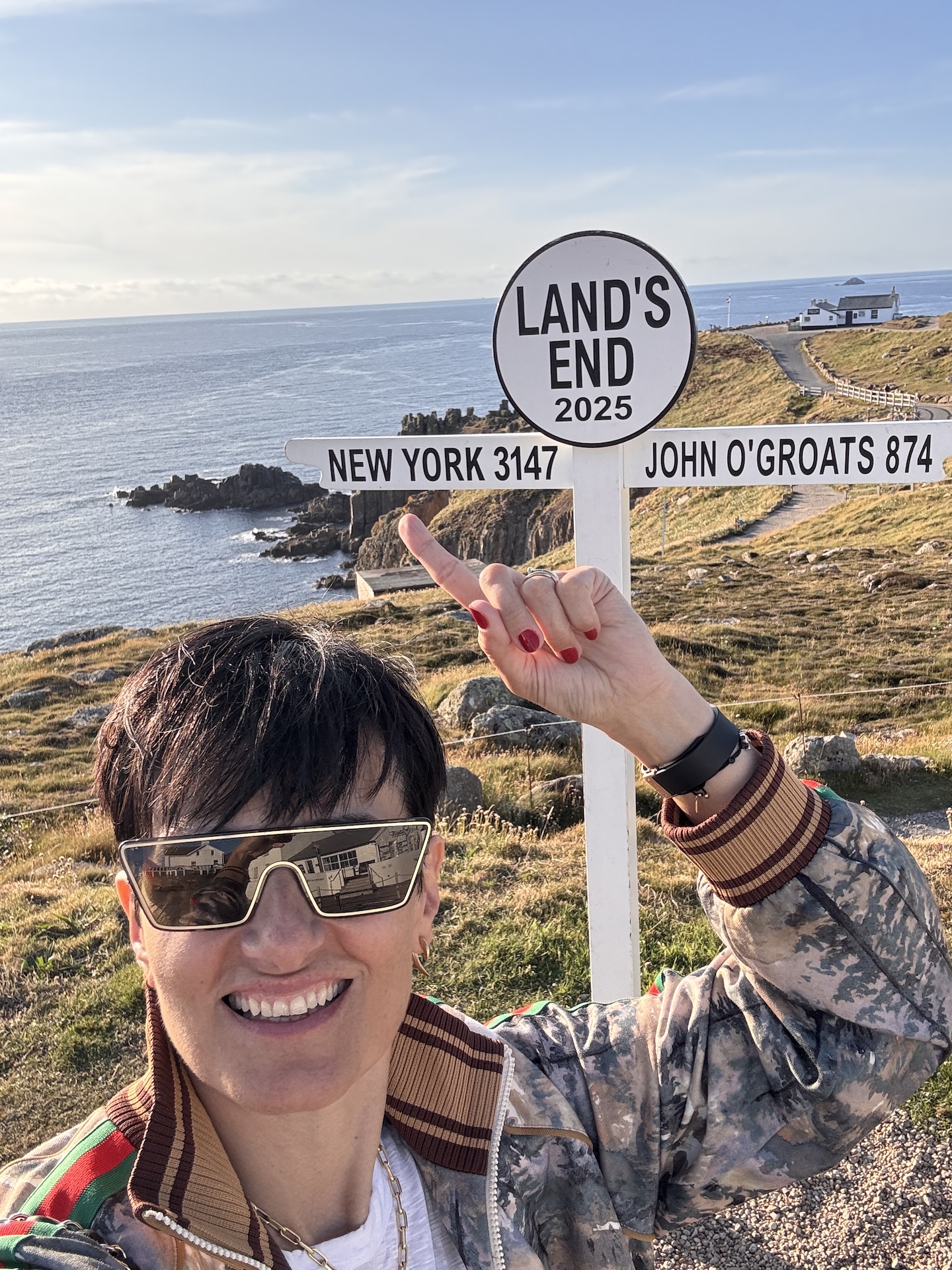
Introduction / Presentation
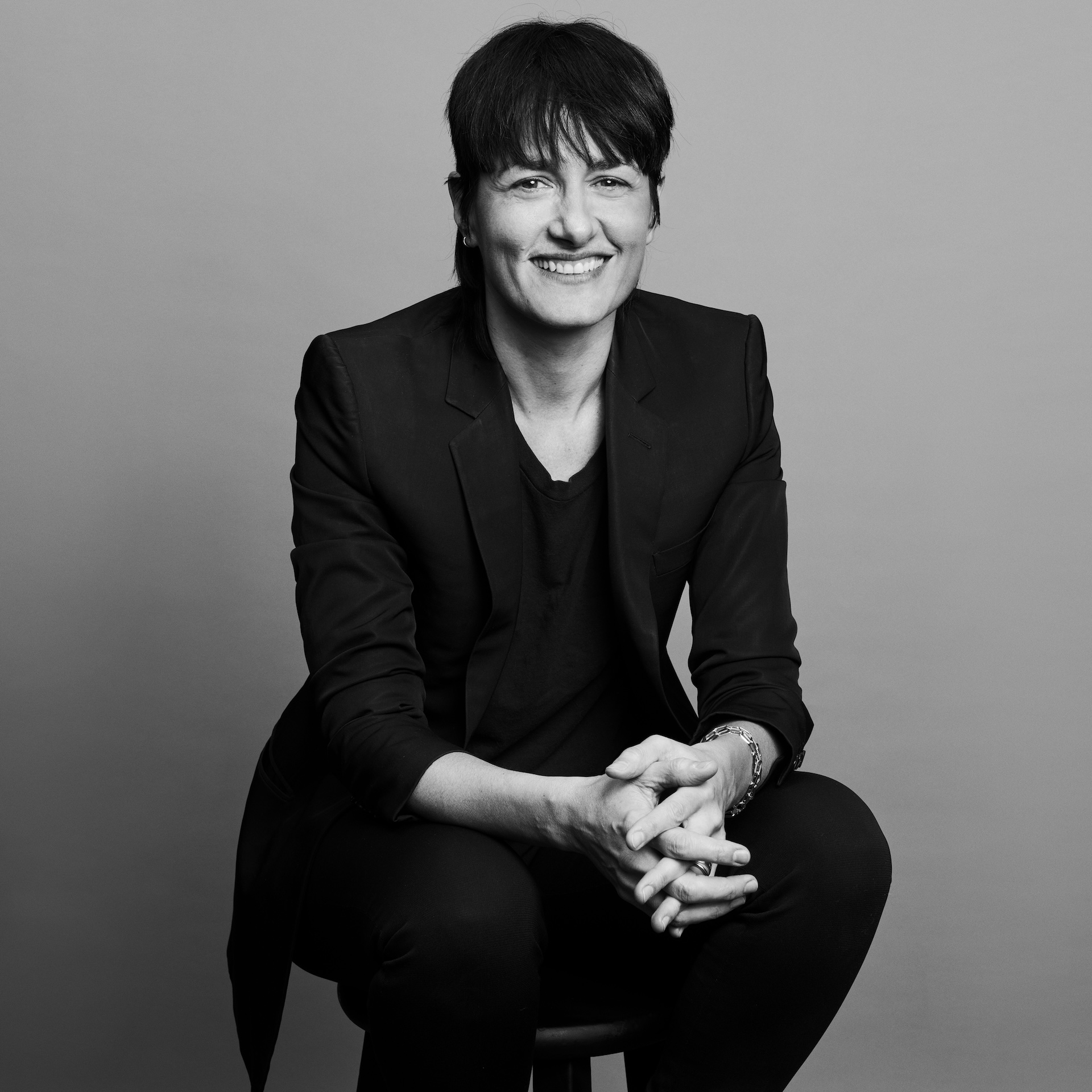
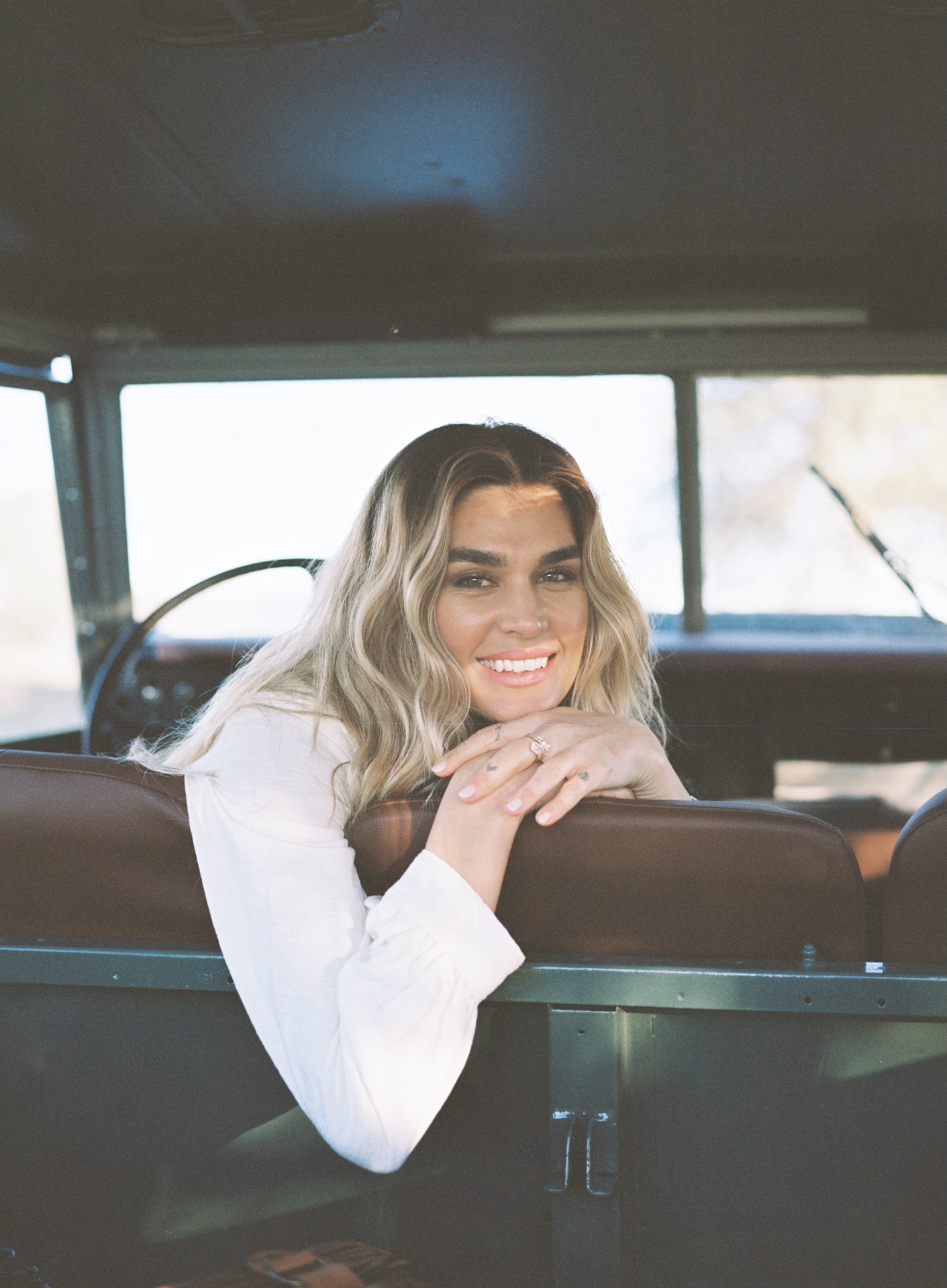
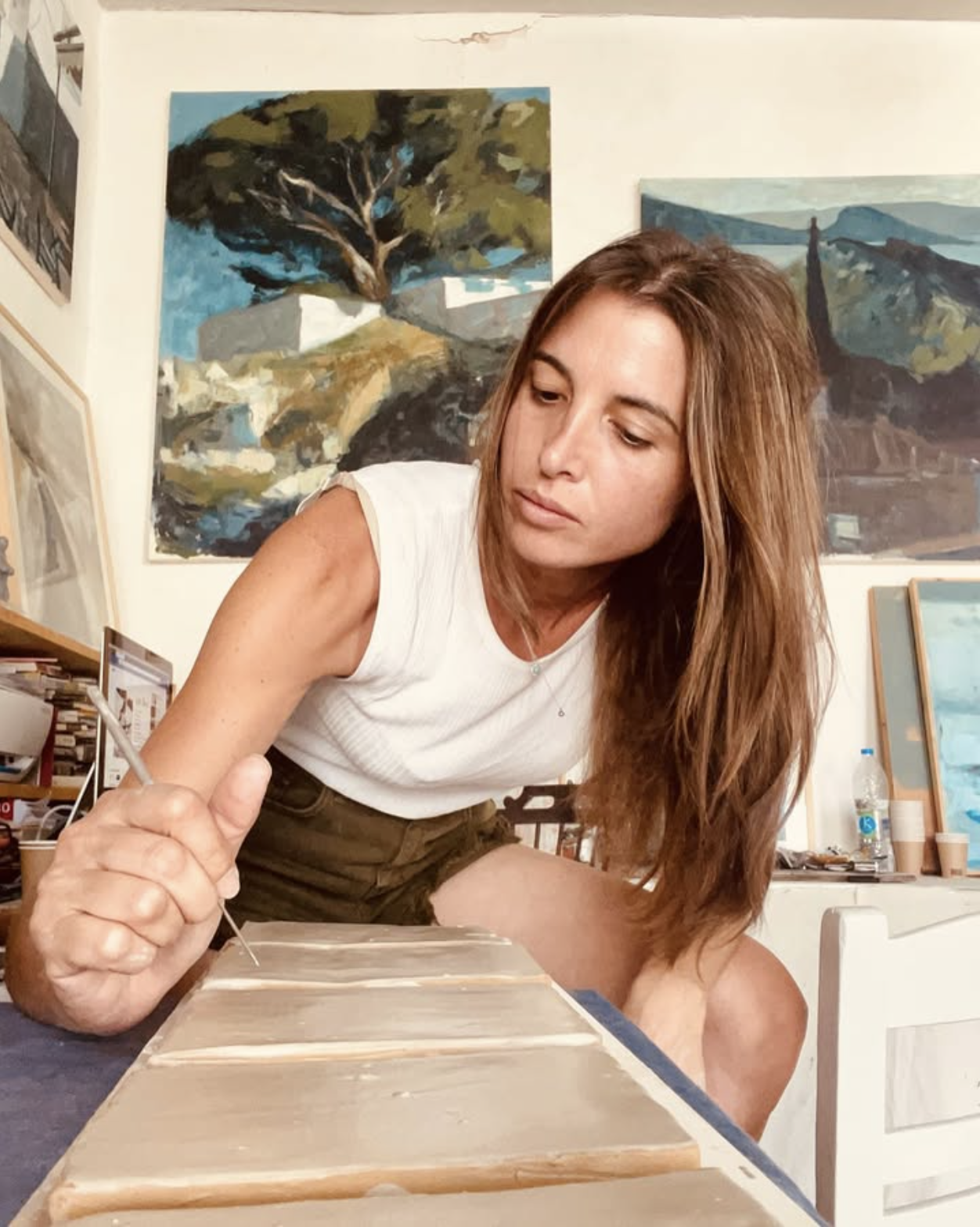
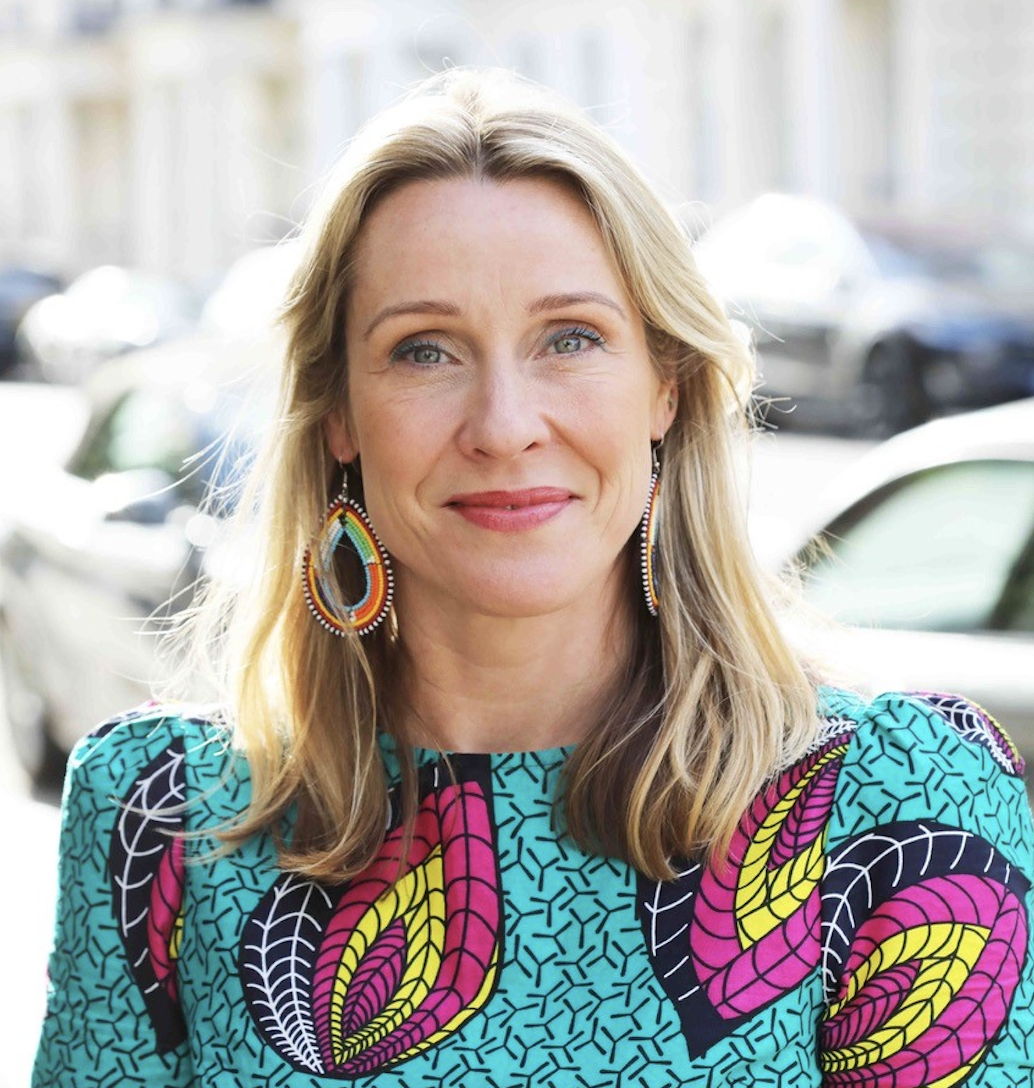
Paola Kudacki is an Argentinian-born photographer and director whose work has become synonymous with emotional depth, refined portraiture, and contemporary visual storytelling. Based in New York, she has built an extraordinary career, shaping the way we see some of the world’s most influential artists, athletes, and cultural figures.
Rooted in a childhood immersed in painting, drawing, movement, and the discipline of ballet, Paola developed a uniquely choreographic approach to image-making—one that blends empathy, precision, and an instinct for revealing the truth within a moment. Over the years, her work has expanded into powerful advocacy projects, global campaigns, and intimate collaborations with icons across music, film, fashion, and activism.
From photographing TIME 100 legends and Beyoncé to documenting Indigenous women fighting for their land in the Amazon, Paola’s work moves fluidly between worlds—yet it always carries the same signature: honesty, humanity, and a deep respect for the people in front of her lens. Today, she stands as one of the most compelling visual voices of her generation, bridging photography and film to create images that are not only beautiful, but deeply felt.
Tell us about your place of residence, your hometown, and what you love about where you come from.
I was born in a small town in the province of Buenos Aires, Argentina. From a very young age, I was immersed in the arts — ballet, drawing, cinema, and the surreal worlds of creators like Dalí and Akira Kurosawa shaped my imagination early on. My hometown, General Rodriguez, was also the site of the La Serenísima dairy factory. Once a week, I remember waking up to the warm, sweet smell of caramel drifting through the air whenever they made dulce de leche—a scent so vivid in my memory that it’s still my favorite in the world.
Growing up, my dad was bohemian and spontaneous. He loved to announce last-minute road trips with absolutely no plan, and that sense of adventure became a part of me. It translated perfectly into my career today, where unpredictability, travel, and embracing the unknown are essential. That early spirit of improvisation prepared me to thrive in a profession where opportunities can appear overnight and take me anywhere in the world.
Argentina is a country stretched vertically from north to south, and because of that, we experience every possible climate — from mountains and waterfalls to deserts, forests, jungles, glaciers, and the vast pampas. Patagonia, in particular, is an immense region of untouched beauty, where mountains meet the ocean, and the landscapes feel almost otherworldly in their scale and purity.
I carry a deeply nostalgic vision of Buenos Aires—a city where European architecture—French Neoclassical and Beaux-Arts, which earned it the nickname "the Paris of South America"—mixes with the grey tonalities of 1970s brutalist buildings, all under the unmistakably blue sky of both winter and summer. It’s a place of contrasts, where the high and the low coexist effortlessly, where South American avant-garde energy lives alongside simple pleasures like a slice of pizza with melted mozzarella and olives. It’s fútbol, the Obelisco, freshly baked medialunas—the Argentinian croissant—and a glass of delicious Malbec. All together, they create the vibrant, imperfect, and soulful Buenos Aires that lives in my memory.
My heritage is also Polish-Ukrainian, and the culture, traditions, and stories passed down from my grandparents have strongly influenced me.
Your must-see addresses near you? (Restaurants, markets, galleries, secret spots, etc.)
I’ve lived in Williamsburg, Brooklyn for many years — long before it became as popular as it is today — and I still love the neighborhood. One of my favorite simple pleasures is sitting on a rock by the river at Bushwick Inlet Park and watching the Manhattan skyline; it’s always magical, no matter how many times I see it. Taking the ferry from Williamsburg to Dumbo and then Pier 11 is a must, as you get to experience Brooklyn and Manhattan’s east side from the water and pass under the Brooklyn Bridge.
Every Saturday, the McCarren Park farmers’ market is my go-to for fresh vegetables, cheese, and little local treats. In Greenpoint, ILIS is an incredible restaurant—it feels more like an immersive experience than just a meal. My favorite bakery is Bakeri, with its cozy, Scandinavian charm; Cibone-Ote is a store with beautiful tableware and kitchen utensils; for tea Kettl in Greenpoint has the most delicious sencha green tea. Traveling to Japan inspired me—their tradition and the way the tea is served, the temperature of the water, the beauty of the pottery, and taking the time to enjoy it.
If you want to try some Argentinian empanadas in New York you can go to Las Criollas at Columbus Circle underground.
There are a few concert halls in Williamsburg Brooklyn where I saw some super cool performances: National Sawdust and Warsaw.
Your favorite places on Earth?
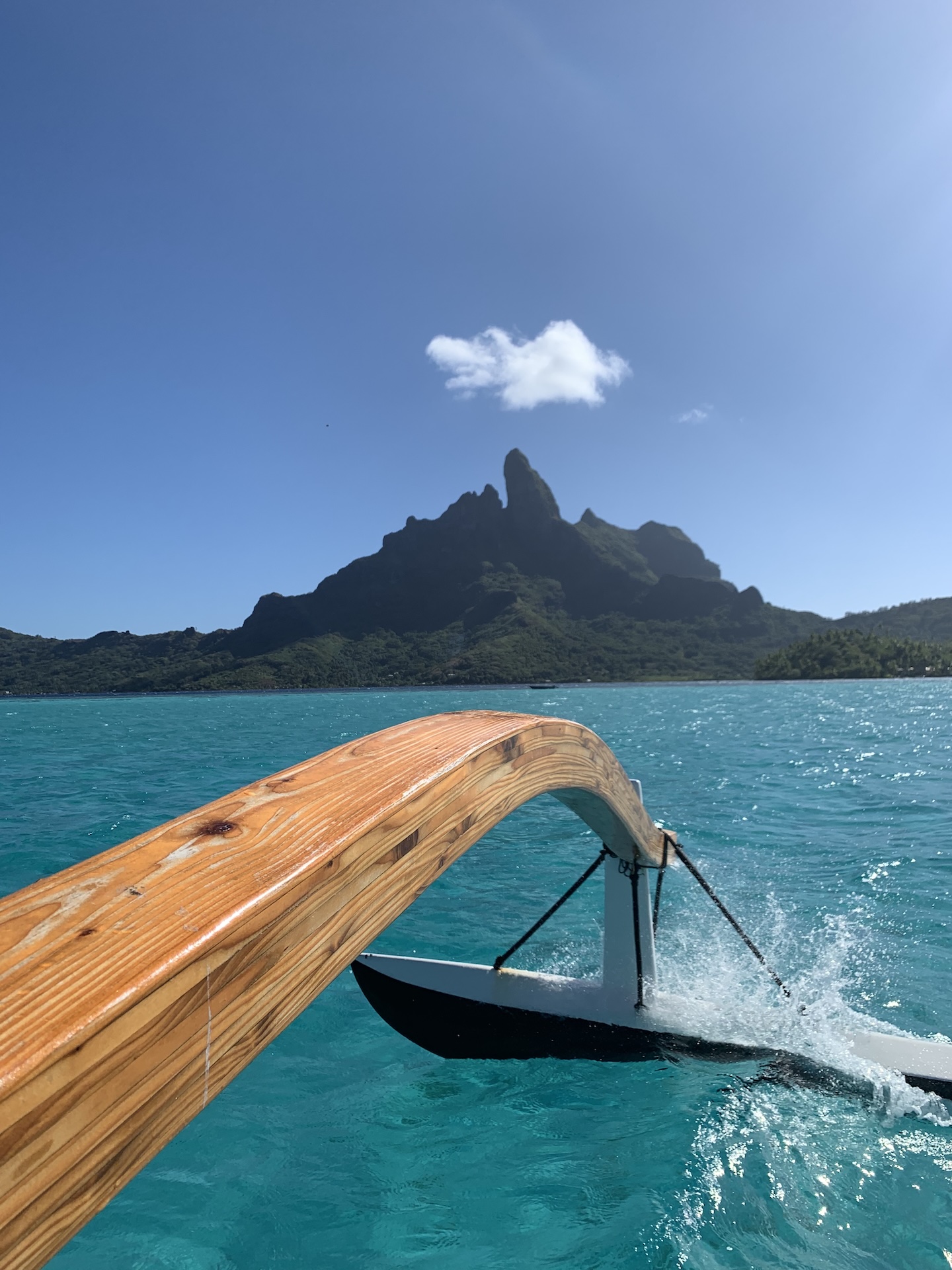
French Polynesia, Bora Bora
Siwas Oasis, Egypt
Tokyo, Japan
Yosemite, National Park
Patagonia, Argentina
Favorite Hotels
Grand Hotel Tremezzo, Lake Como
Adrere Amellal, Ecolodge in Siwa
Amangiri, Utah
Do you think it is important to travel, and why?
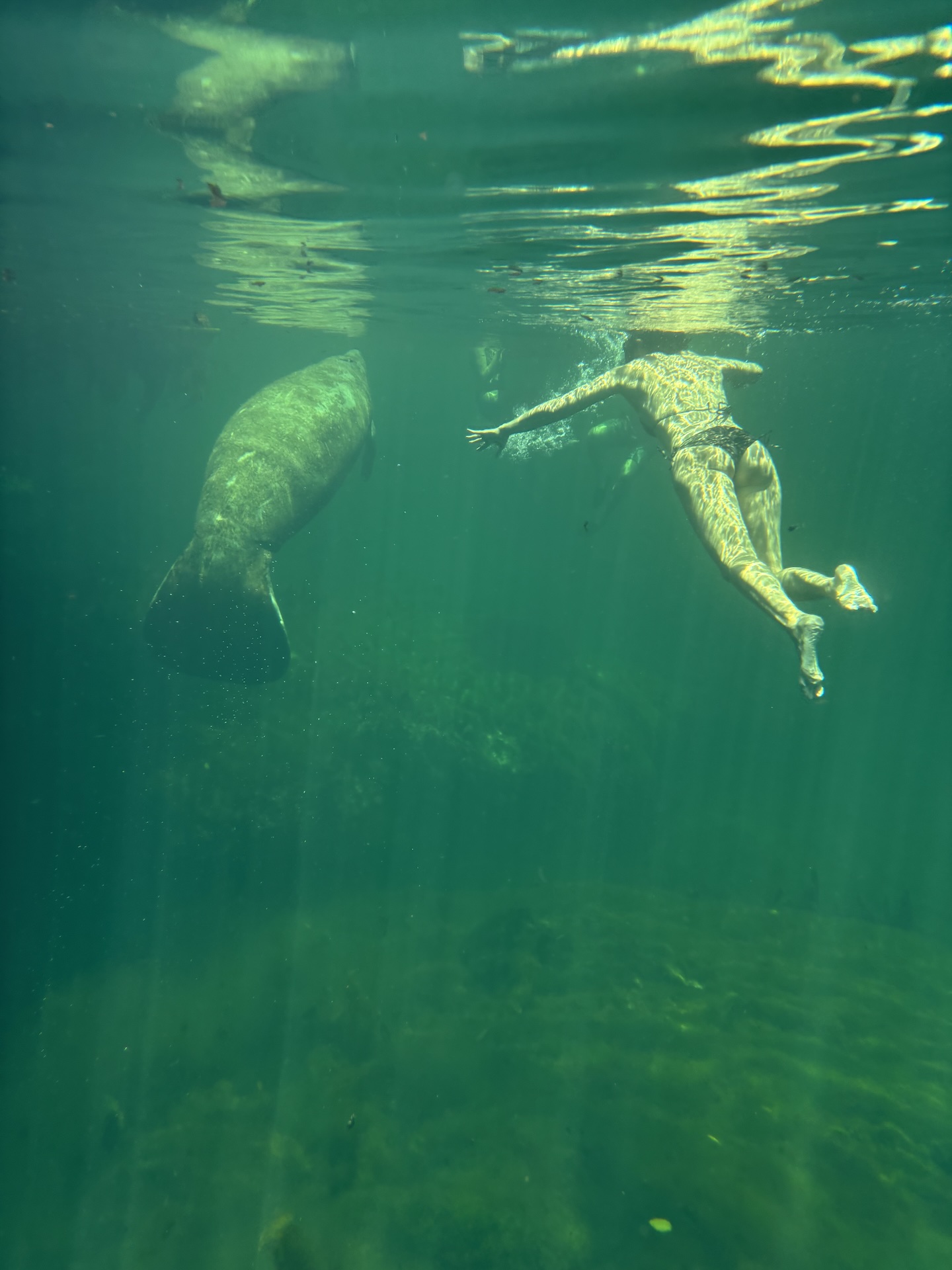
Traveling is one of the most exciting and inspiring things a person can do. Even the journey of getting to a place is exciting and can be a fantastic experience. Immersing yourself in different landscapes, cultures, listening to the local music and eating the local traditional food opens your eyes and awakens your senses. For me, even the act of transportation — being on a plane, a train, in a car — feels full of possibility. It’s a doorway to new perspectives. I really find it fascinating, and I feel so lucky to have a job that brings me to all these incredible places.
Although my work is often recognized for its studio photography, I love using natural landscapes as a canvas. Sunlight is actually one of my favorite sources of illumination — it’s endlessly versatile. By simply shifting the position of the subject relative to the sun, you can create completely different moods, atmospheres, and lighting scenarios.
What do you think about the future of travel and what should we, as citizens, consider? What would you advise?
The future of travel is at a turning point. As the world becomes more connected, we also face the responsibility of traveling in a way that respects the planet and the communities we visit. I believe the future of travel will be more intentional — slower, more immersive, and more conscious.
We should consider the impact we leave behind: how we move, what we consume, and how we interact with the environment. It’s important to think about sustainability not only in terms of carbon footprints, but also in how we support local cultures, preserve natural landscapes, and protect fragile ecosystems.
Travel should be an exchange — not just a way to take something from a place, but a way to learn, to respect, and to contribute positively. Being mindful, choosing responsibly, and appreciating the beauty and fragility of our planet will shape a healthier future for travel.
Through my work, I have had the honor of photographing and interviewing the women warriors of the Amazon. Learning about the daily challenges they face — and the crucial role the forest plays as the lungs of our planet — has been transformative. We must protect our forests, our trees, our land. Every ecosystem matters, and every decision we make has an impact. My advice is simple: be curious, be mindful, be respectful, and remember that the Earth is not ours to consume, but ours to preserve.
As a woman, how do you see the future of our planet and our societies?
Women often stand at the center of community, protection, and resilience. The Amazonian women I met are a powerful example. Their strength, clarity, and dedication to defending their land are deeply inspiring. I believe that women around the world — through leadership, empathy, activism, and creativity — will play an essential role in shaping a more sustainable and compassionate future.
How do you think you can contribute to this? Women who inspire you?
My contribution comes through my craft, storytelling, advocating for important causes that need to be surfaced so people become aware and can help—through photography, film, and bringing visibility to stories that need to be heard. The women warriors of the Amazon continue to inspire me profoundly; their courage encourages me to document, amplify, and honor voices that defend our world.
What would be your dream trip?
There are so many places I still want to discover. I dream of photographing people and cultures in Mongolia and Namibia; exploring the landscapes of Madagascar, Iceland, and the Galápagos; and experiencing legendary journeys like the Orient Express or a Belmond train. To travel with purpose — discovering, learning, witnessing — that is my dream.













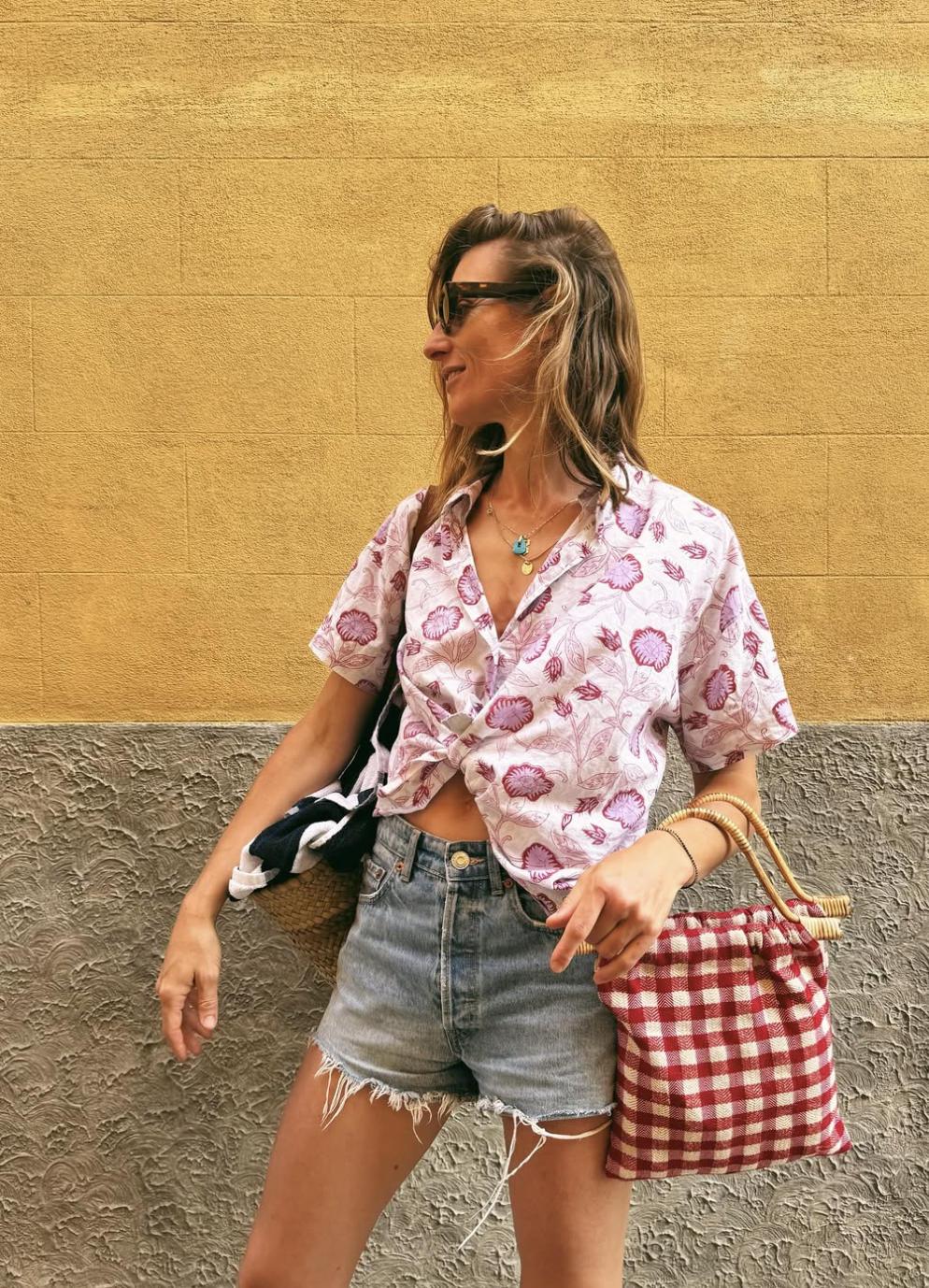

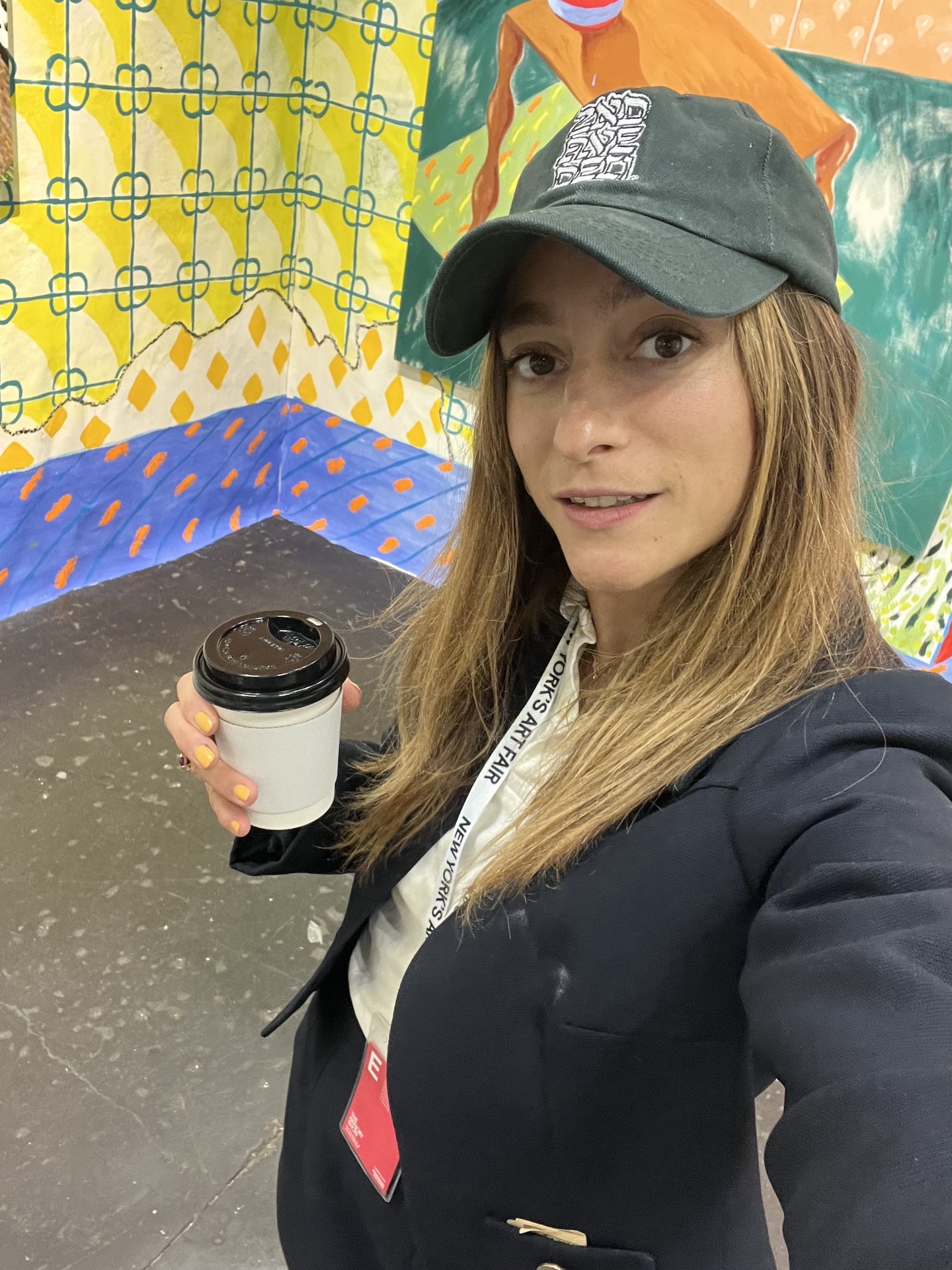


%20SOPHIE%20KIRCHNER%202.jpeg)


%20Ellie%20with%20Bronze%20gymnast%20by%20Michel%20Roue%CC%80che%20(Black%20background)%20copy.jpg)


.jpg)




.jpg)