

Small introduction/presentation, job or activity, place of birth or country of origin, training or career, place of living
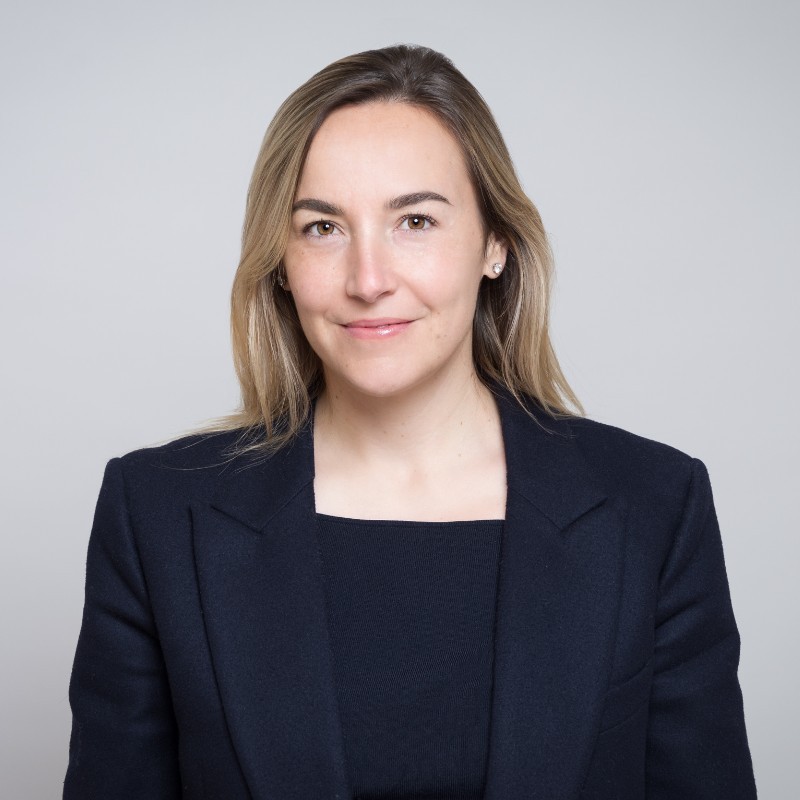
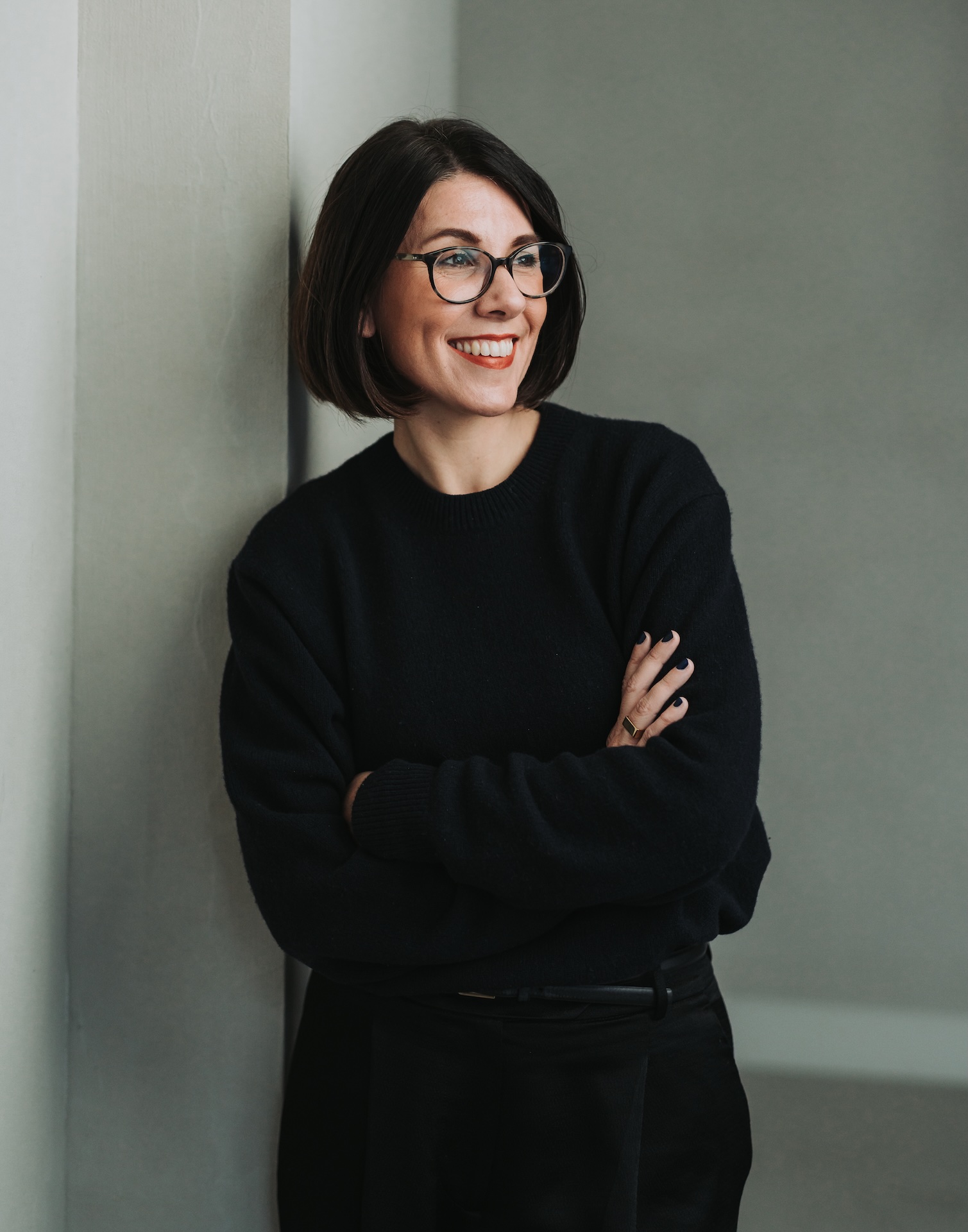
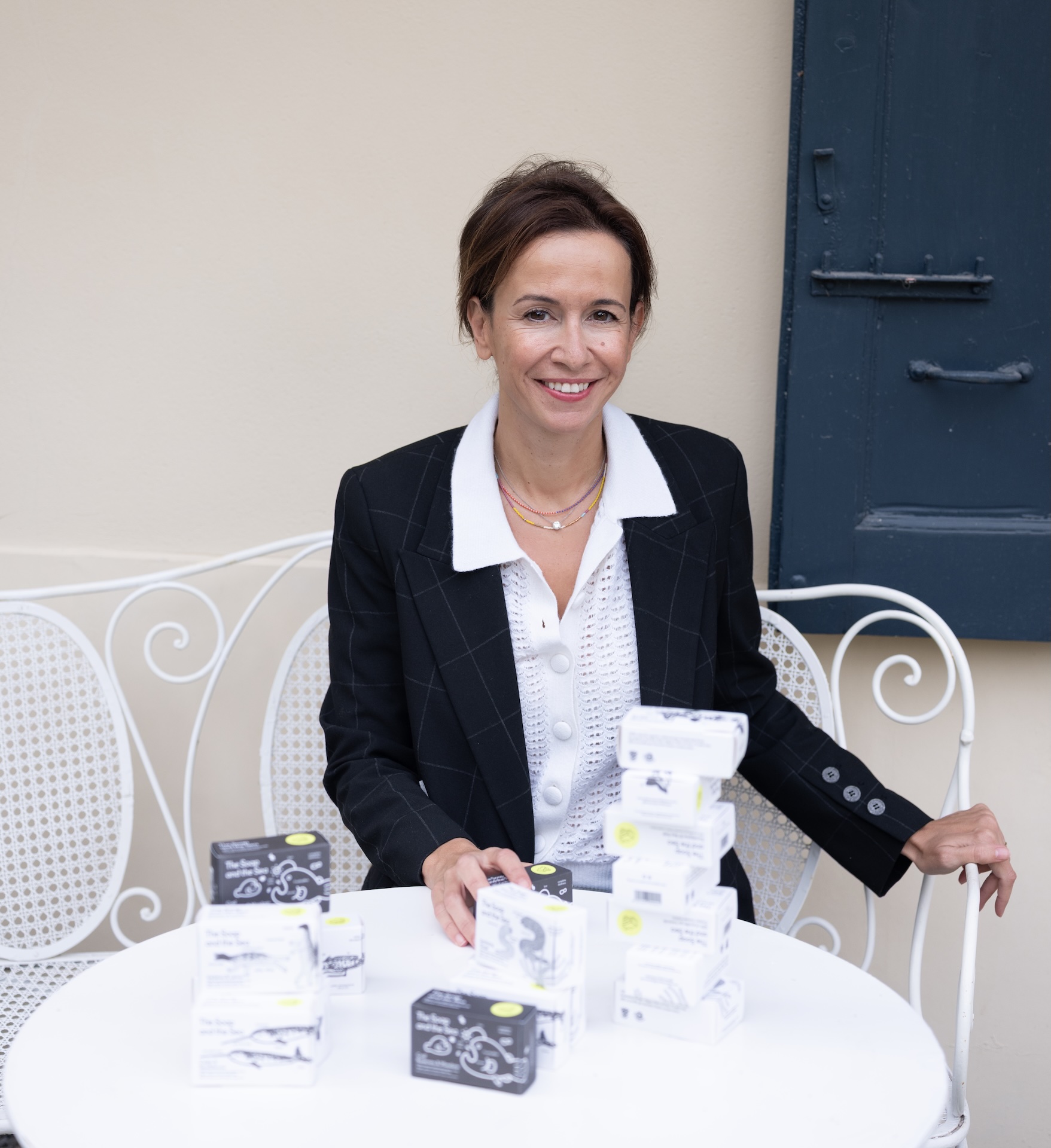
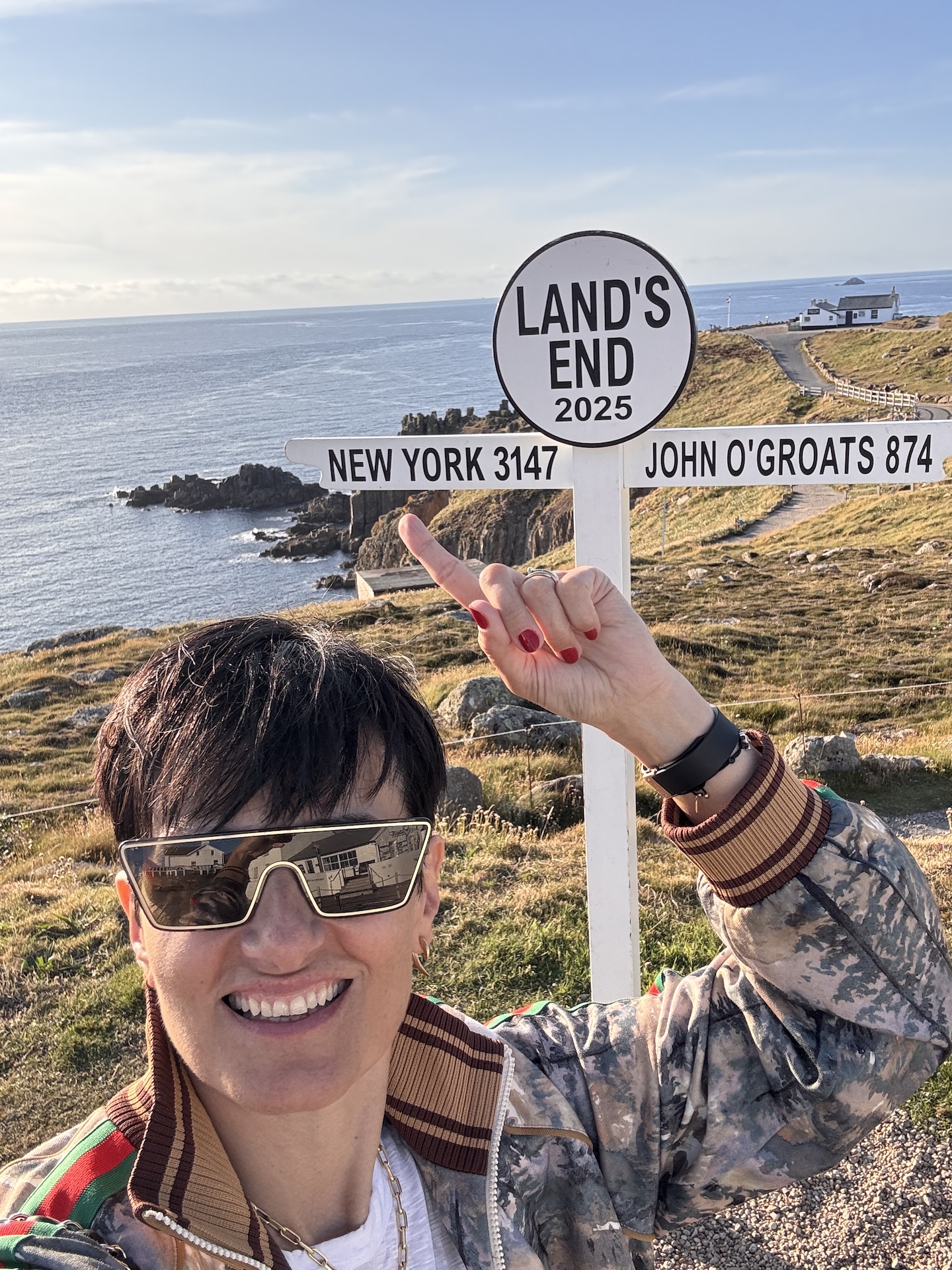
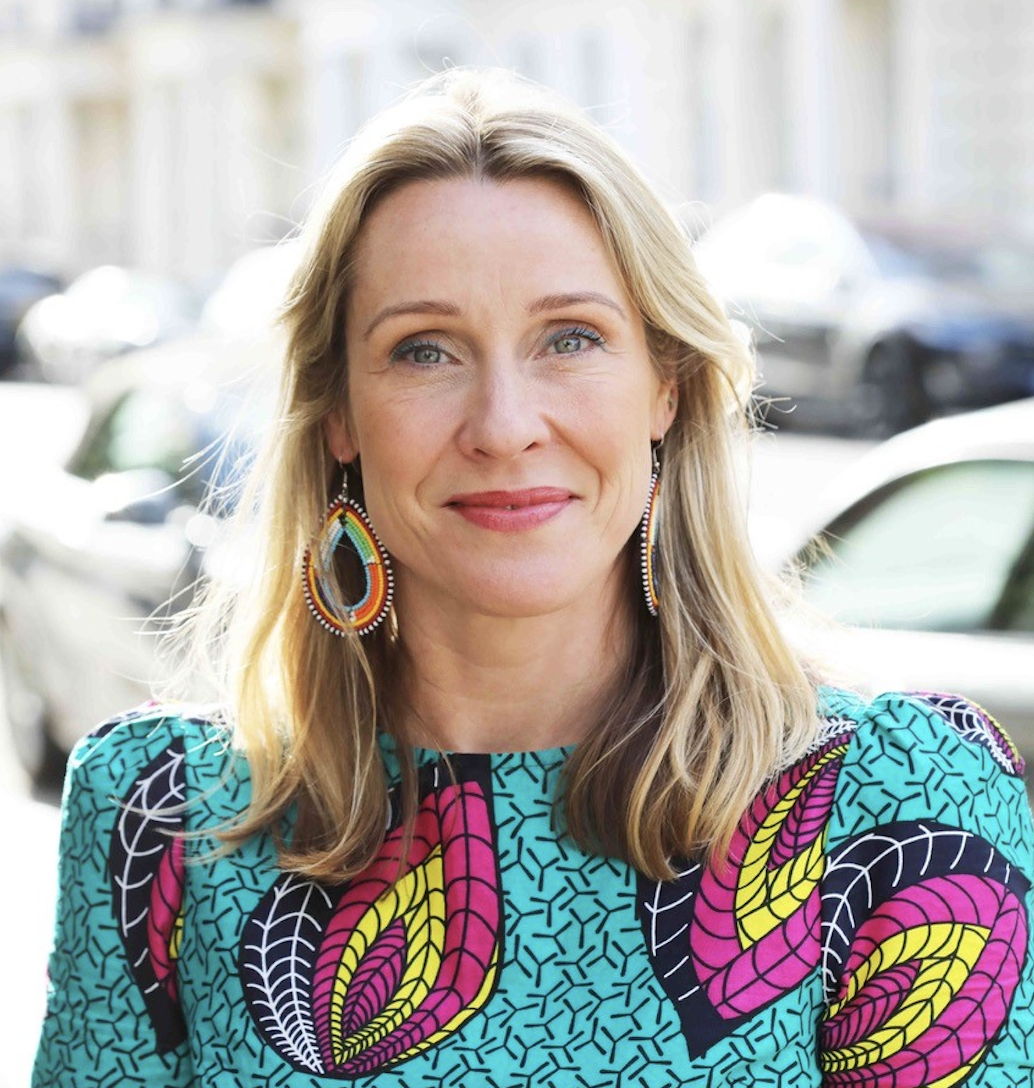
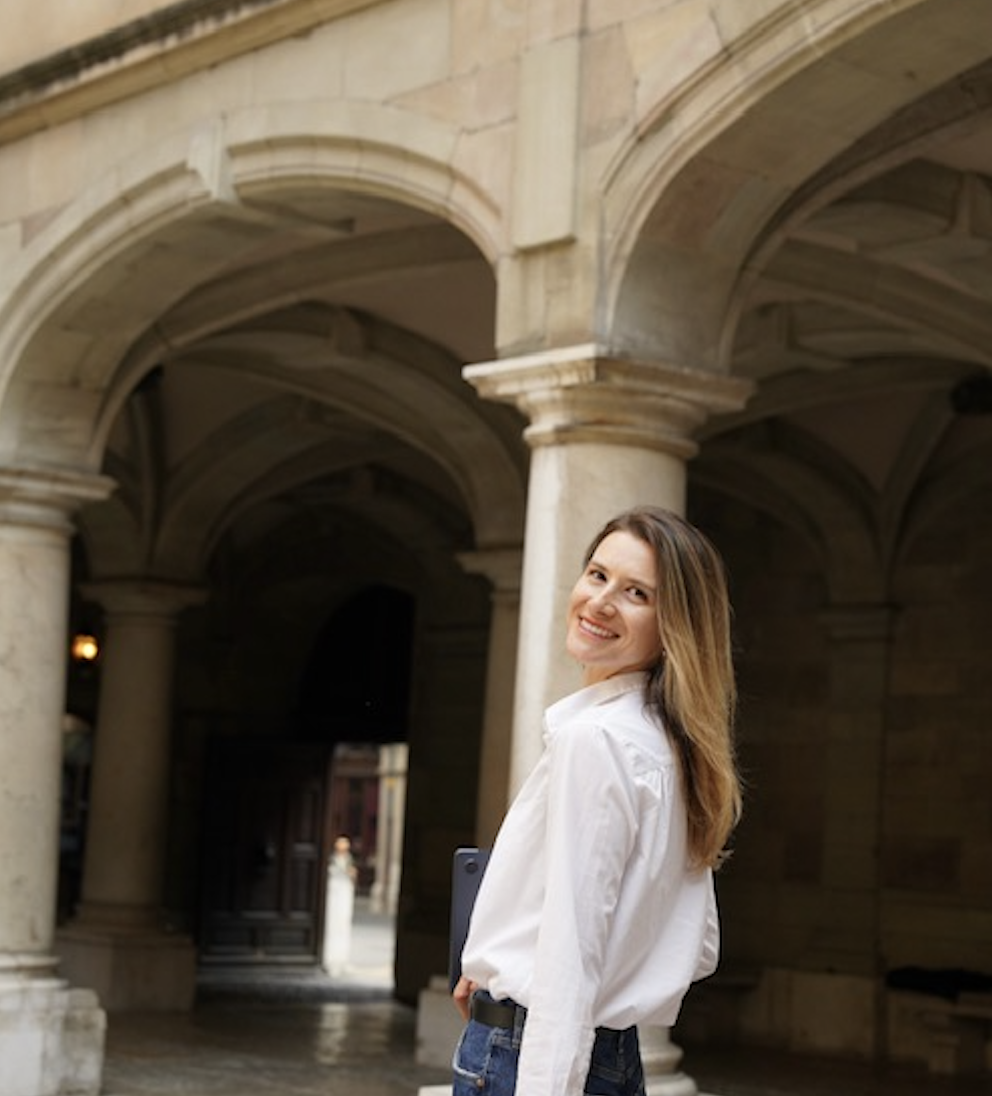
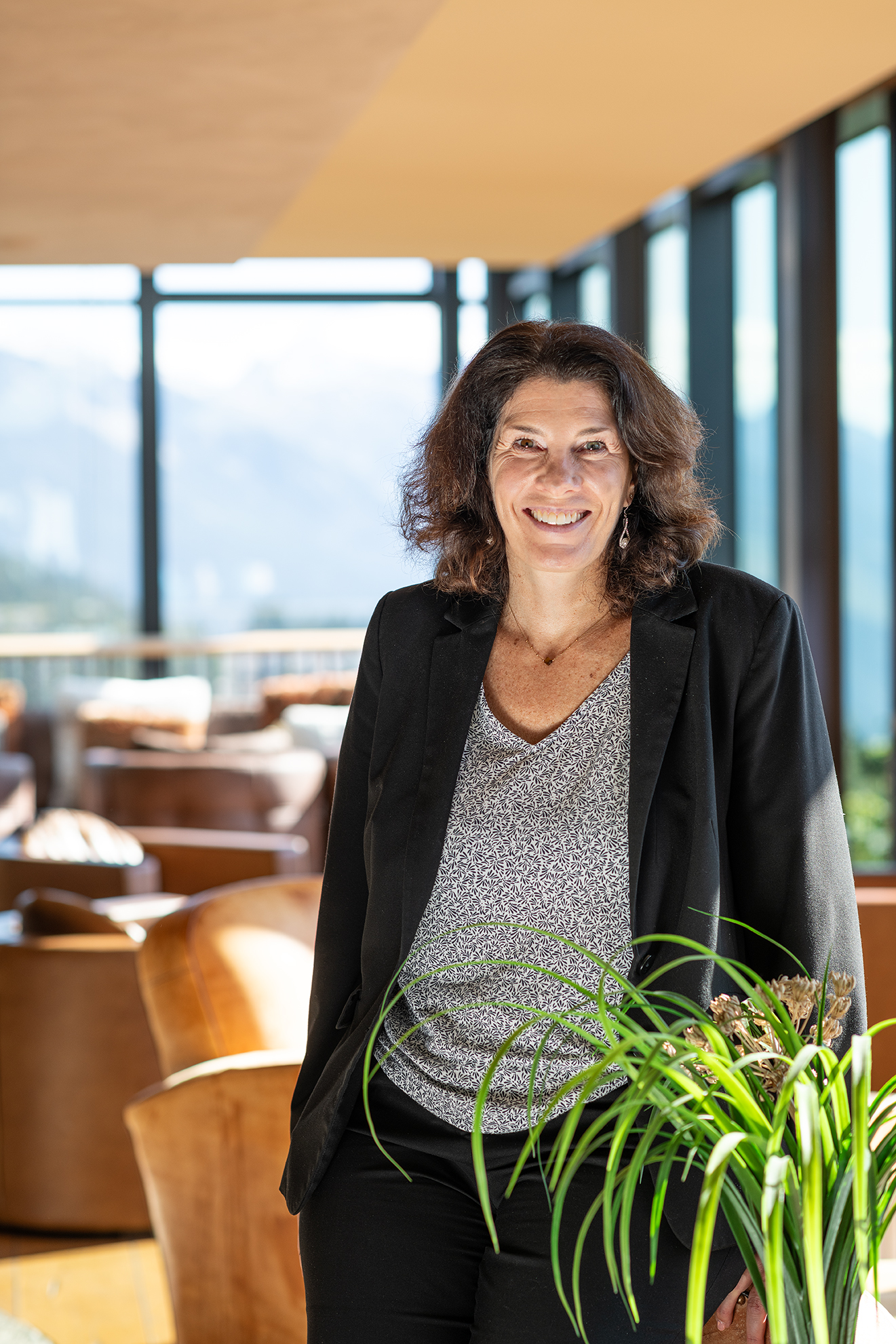
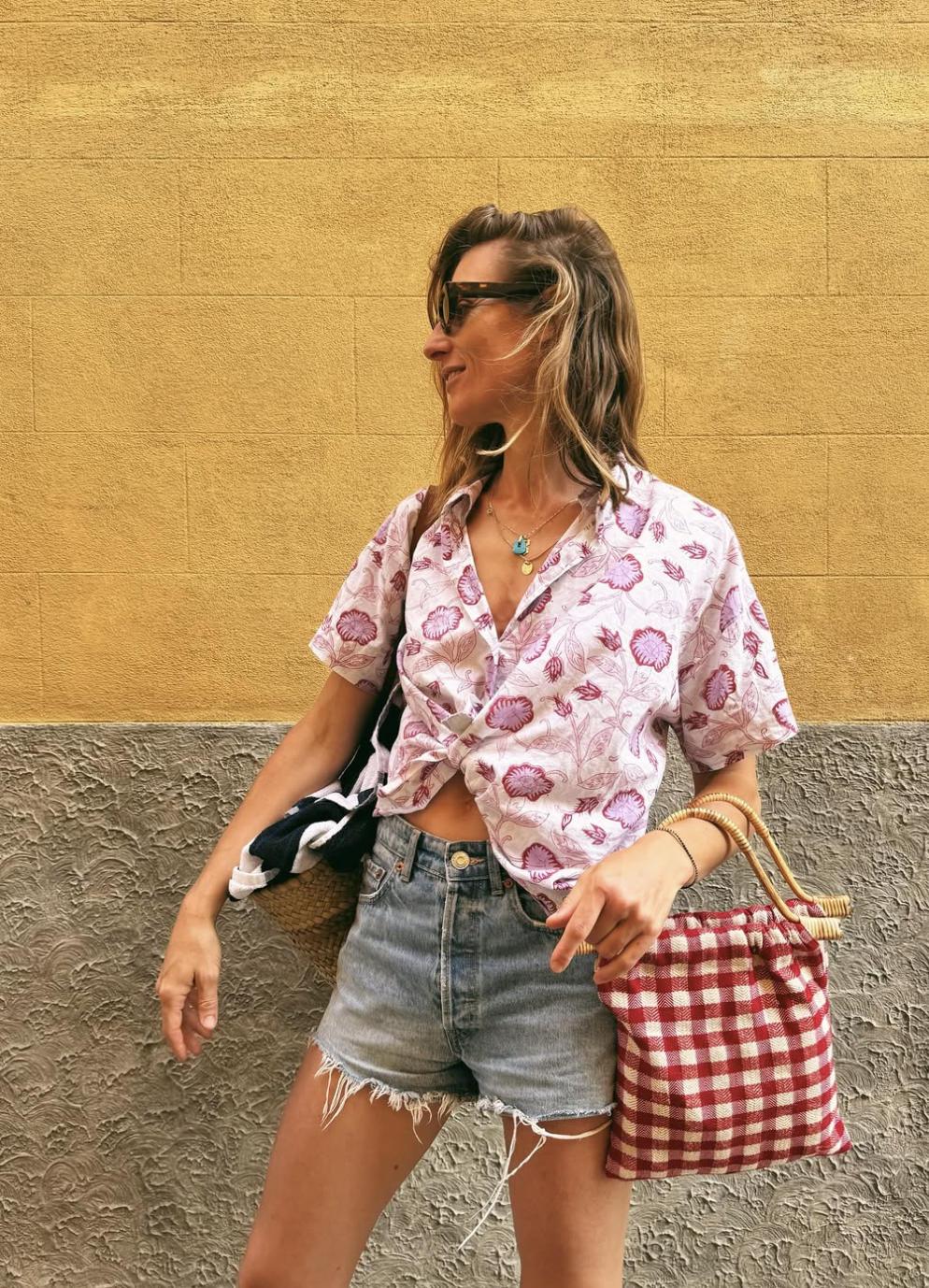
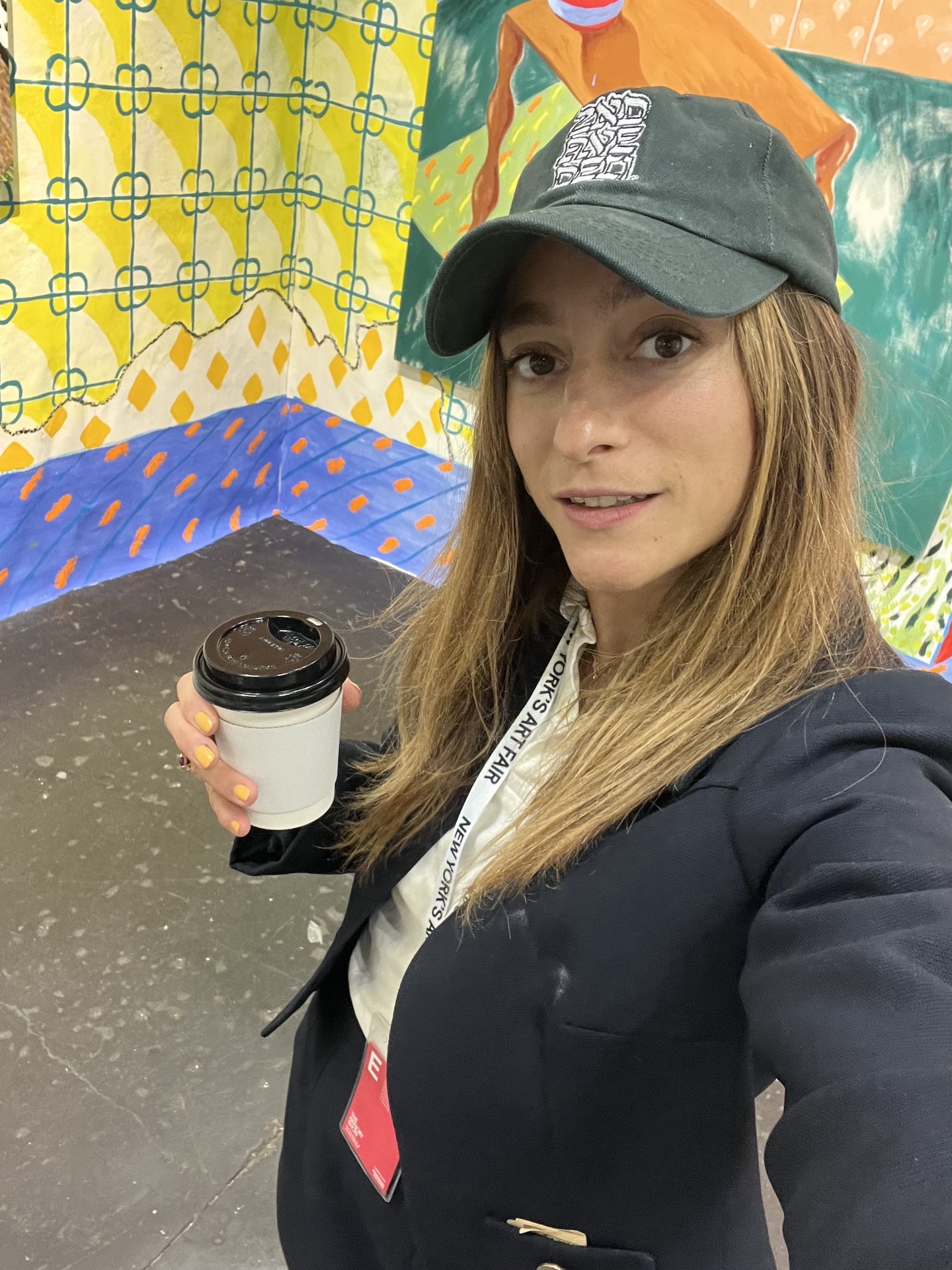
Hi, I’m Nadja. I’m a lawyer working with founders, investors, and organisations navigating new technologies and organisational change. On any given day, I might find myself explaining transatlantic data governance in a boardroom, or touring a brain-computer interface lab. It's a career that rewards curiosity and inventiveness and is rarely, if ever, boring.
I was born in Sarajevo, often called the “Jerusalem of Europe” for its rich mix of cultures, religions, and histories. My own family reflects that diversity, with roots across the Balkans, the Ottoman and Austro-Hungarian worlds, Switzerland, Britain, and Austria. Growing up during the war in Sarajevo in the 1990s taught me several lasting lessons. The first was resilience. The second was that disruption reveals character—and how deeply our lives depend on systems we often only notice when they break.
I studied law in the UK and the US, and started my career at the UN Tribunal in The Hague, working on cases related to the conflicts that shaped my childhood. Over time, my interests took me into international affairs, politics, trade and most recently the world of innovation. Outside of work, I paint and explore regenerative art practices inspired by the relationship between nature and technology. I also have a habit of falling down unexpected rabbit holes. At the moment, I’m happily spending time in 1971 with Led Zeppelin, while also immersed in the work of Xin Huang and Xiaoben Liu on computation and consciousness.
Tell us about your place of residence, city or region, activity and if or what you like about your hometown?
I live in Geneva by the lake, surrounded by green space, so my daily rhythm is closely tied to nature’s cycles. It’s something I’ve come to value deeply, especially after having also lived in places like New York and London. I’ve always loved the energy of those cities—the ambition, innovation, and culture. But what feels unique here in Geneva is how easily you can shift between urban intensity and something quieter, more rural, and grounded, often within just a short walk.
Your must-see addresses near you? (restaurant, market, gallery, museum, not-to-be missed, intimate or secret address, etc.)
For keeping up with Geneva's social and cultural scene, I always turn to Mariana and Lily's Coolturalia. It's my go-to recommendation for both visitors and locals looking for inspiration.
One of the city's most interesting creative spaces is Théa Montauti d’Harcourt’s L’Appartement on Rue Pierre-Fatio. Occupying the entire second floor of a residential building, it feels less like a gallery and more like stepping into Théa’s private creative world.
Between work lunches and dinners with friends, when I’m not hosting at home, I spend time at N°OW’HERE”, a members’ club that brings together people from different worlds through a shared love of technology and the arts. It is particularly lovely at this time of year, with long afternoons in the garden. For casual lunches on the go, I like Ferdi: playful, and unpretentious. My daily weakness is a dirty matcha from the boys and girls at Melrose Kitchen—a small dose of California pink in our town.
I also enjoy stopping by Marina Anouilh’s bohemian boutique, which has expanded from Gstaad to Geneva, as well as the SMILE boutique in the Old Town, with its beautifully curated prêt-à-porter pieces and accessories. For wellness, I recommend Korean Skin by Dr. Lucas on Rue du Rhône—a bit of a local secret. On weekends, if I’m in town, I often head to Meinier for flowers and fresh produce at the Cercle des Agriculteurs, or drive to Talloires for a long lunch at L’Auberge du Père Bise on the shores of Lake Annecy.
Your favorite places on Earth?
Engadin in Switzerland
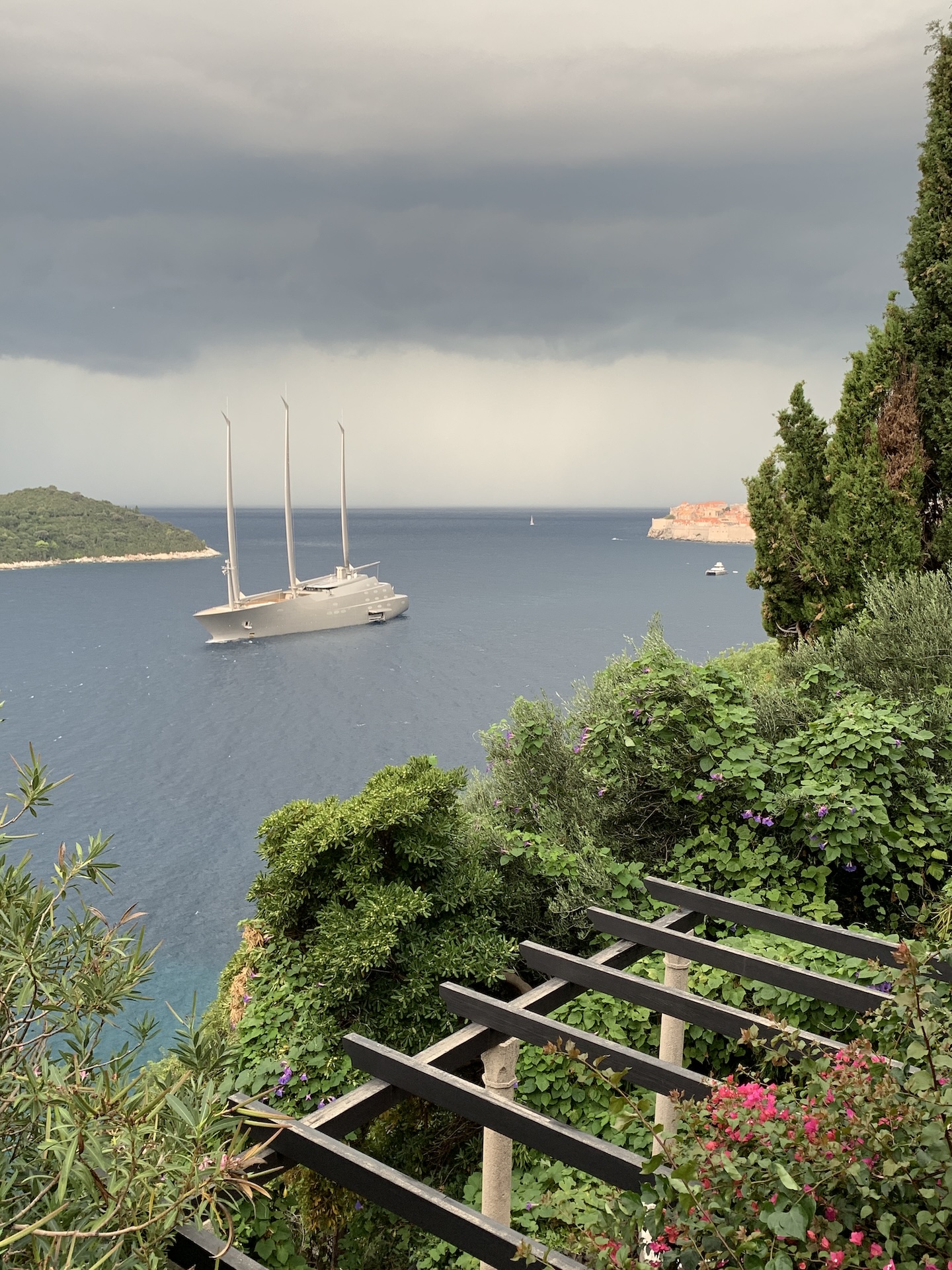
Dubrovnik
Cape Cod in Massachusetts, USA
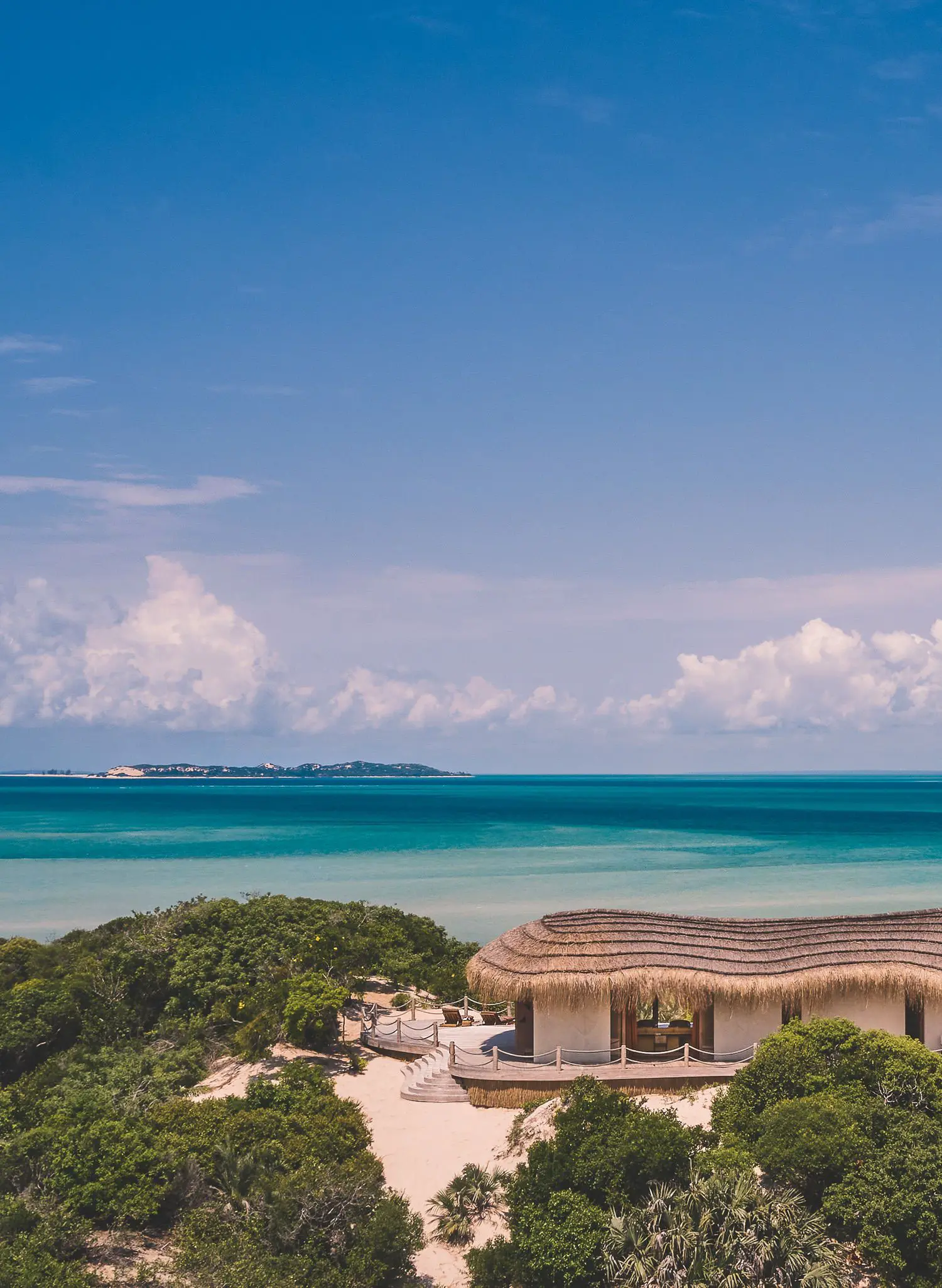
Benguerra Island in Mozambique
Menorca
Arles
Yunnan province in China
Do you think it is important to travel and why?
Yes—but I think it matters how and why we travel. I don’t see travel as something we should abandon, but something we should evolve. At its best, travel remains one of the most powerful ways to connect people, ideas, and cultures across borders. Experiencing different perspectives can cultivate humility, and a deeper understanding of both others and who we are. The challenge is finding ways to do that more thoughtfully and responsibly. Travel shouldn't come at the expense of the natural systems that sustain life on this planet.
What do you think about the future of travel and what we (citizens) need to consider?
We’re more digitally connected than ever, yet many people feel increasingly lonely and siloed. Because of that, I think the future of travel will be less about travelling for consumption or escape, and more about travelling with intention—as a way to understand both the world and ourselves more deeply.
You can already see this shift taking shape. Places like Lanserhof, SHA, and Our Habitas are redefining hospitality around wellness, sustainability, and human connection. The new Orient Express Sailing Yachts, launching this summer, follow a similar logic—prioritising meaning and belonging over indulgence alone. More and more, people are drawn back to the same places, where familiarity, relationships, and a sense of continuity matter more than ticking off destinations.
The same shift is visible across culture more broadly. Publishing is seeing a return to long-form essays, independent presses, and niche magazines. In art, there is a renewed pull toward materiality—painting, craft, installation—pushing back against purely digital consumption. Across industries, there’s a quiet preference for objects and experiences that carry memory and texture: physical stores over anonymous online shopping, vintage over endless newness, permanence over disposability. People are increasingly seeking depth and texture in a world saturated with synthetic, mass-generated content—a tendency likely to intensify with AI.
Social media is evolving in a similar direction. Audiences are tiring of the performative layer of influencer culture—carefully staged lifestyles, the same copy-paste aesthetics, same locations, and recycled poses create a visual sameness and are looking dated, boring and irrelevant. I sometimes find that AI-generated or AI-managed Instagram accounts (clearly non-human in tone) can feel more compelling than certain personal pages, precisely because they don’t overreach in their attempt to simulate authenticity. In response to all this, I am seeing more intentional, opt-in micro-communities emerging: Patreon collectives, Substack newsletters, WhatsApp groups—spaces where creators trade virality for depth and scale for loyalty. A writer with 10,000 genuinely engaged subscribers can now outperform one with a million passive followers and, arguably, operate with greater authenticity—and also sleep better at night.
As a woman, how do you judge the future of our land or our societies?
We are living through a polycrisis. Climate change, biodiversity loss, pollution, rapid advances in AI, biotech, and quantum technologies, alongside shifting social and political structures. While this creates uncertainty, it also offers a rare opportunity to rethink what progress means in this new emerging world. For me, the key question is whether we can move from short-term extraction to long-term responsibility—while resisting the temptation to oversimplify complexity in the search for quick solutions to our crises.
In many places, incluing the companies and funds I work with, there are already signs of a more balanced approach emerging: innovation working with nature rather than against it. There is reason for optimism. We are living through one of the most innovative periods in human history. Even amid complexity and uncertainty, this surge of innovation creates new opportunities to address global challenges with greater care, creativity, and collaboration.
How do you think you can contribute to it? Women who stand out to you?
For me, contribution has always been less about grand gestures and more about consistency: how we show up in the spaces we already inhabit, starting locally. The women who inspire me are often the everyday heroes: mothers, grandmothers, teachers, entrepreneurs, scientists, investment bankers—women quietly holding entire systems together without fanfare. Not necessarily the faces on magazine covers or podiums, but those who keep the world functioning through resilience, care, intelligence, and persistence.
Alongside these women are men who embody the same values and commitment. My "Swiss father," André Hoffmann, is one such example. He has consistently championed the idea of business as a force for good on a global scale, often working quietly behind the scenes and stepping into the spotlight only when it served a purpose greater than himself. He has mentored and supported women with purpose. We need more of that partnership: the “He” working alongside the “She.”
What would be your travel dream?
My travel dream is less about arriving somewhere and more about a certain state of mind: long lunches that stretch without effort, glances that say everything without needing explanation. A little bit of noise, a little bit of silence, and the comfort of both.
I’ve been fortunate to visit some extraordinary places, but I come closest to that feeling in the summer at home in the Adriatic, especially Dubrovnik, where time seems measured by a different clock. This is particularly true on nearby Lopud, a car-free island reached only by boat and known for its wild orange trees.
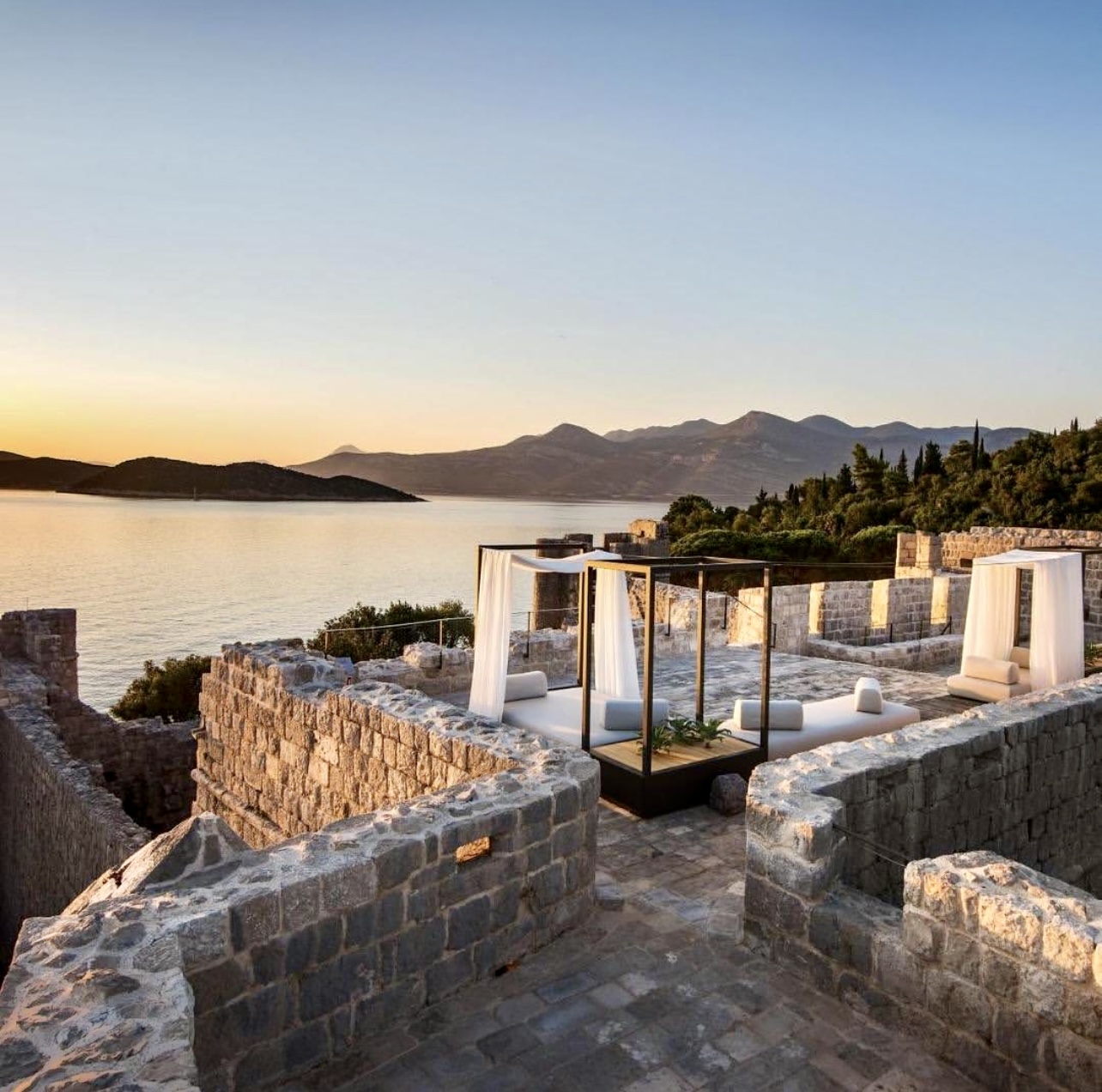
The region has been through a great deal, especially during the 1990s Yugoslav wars. I remember swimming beneath the 15th-century monastery on Lopud in the early aftermath of the conflict—then abandoned and badly damaged. Today, that same site is home to Lopud 1483, a property lovingly restored over two decades by the visionary Francesca Thyssen-Bornemisza, using carefully sourced sustainable materials. It now houses part of her art collection and antiques and carries a Renaissance, almost monastic calm. We, the locals, are very proud of her. The estate also includes a medicinal herb garden, reflecting Dubrovnik’s long healing traditions. The city is home to one of the oldest pharmacies in Europe, founded in 1317 as an in-house pharmacy for Franciscan friars.
We are now seeing a similar philosophy at play at Sveti Stefan in neighbouring Montenegro, where Villa Miločer is expected to finally reopen as an Aman resort this summer. Montenegro itself feels like a different kind of Adriatic poetry—more dramatic, more elemental, with dark mountains rising sharply from the coast. The landscape is almost cinematic in its contrast: rugged peaks falling into still, luminous water.
What makes the Adriatic special is the way the preservation of local architecture and coastline—whether in places like colourful Piran in Slovenia, the lavender fields of Hvar island, the salt-swept limestone archipelago of the Kornati National Park, or further along the Albanian coast—feels distinct from much of the wider Mediterranean. This geography has now been enriched by a layer of thoughtful, world-class hospitality. The emergence of the Adriatic as a distinct EuroSummer destination, spanning multiple countries, cultures, and landscapes has been very exciting to observe first-hand.
There is also a way of living along the Adriatic that feels distinct in character. I think of it as a kind of “warm sustainability”—not built around prohibition or correction, but harmony. ”Adria’s ‘warm sustainability,’ as seen in Dubrovnik, is balance without moralising. Life is enjoyed through food and leisure, without excess as its logic. Pleasure is ever-present, yet never extractive.
At its core is proximity—to land, sea, and season. Life is still shaped quite directly by what the environment gives and withholds, and that creates an instinctive rather than theoretical sense of limits. I think of afternoons at BOWA, the beach club run by our friend Pero Šare, where the menu is simply what the sea offered that day. If you don’t like it, there is no negotiation—even if you happen to be David and Victoria Beckham, who are frequent guests.
The second principle is continuity. Many of these places are still held by families who have cared for them across generations. Even as global brand partnerships arrive, there remains a quiet resistance to selling what has already survived wars, transitions, and instability. Responsibility, in that sense, is not something the locals feel can be outsourced to a faceless corporate.
Even language carries this soft warmth in the Adriatic. In Dubrovnik, the word for “hour” is not only the standard Croatian “sat,” but also “ura.” There is this old phrase—“u po bota kada pasa”—which refers to around 12:30, linked to botta, the strike of a church bell. It does not denote time of day in a rigid sense; it leaves space for life to unfold between the hours. Things can linger and being late is almost part of the rhythm. I love that subtle margin it allows, one I happily end up stretching every summer.







%20SOPHIE%20KIRCHNER%202.jpeg)


%20Ellie%20with%20Bronze%20gymnast%20by%20Michel%20Roue%CC%80che%20(Black%20background)%20copy.jpg)


.jpg)




.jpg)


